What do you do when you need to pack some leftovers for work? Or cover over that bowl full of food in the fridge?
If you always have some spare tin foil or plastic cling film in your kitchen drawer, that’s probably what you’re going to use to keep your lunch fresher for longer.
This isn’t a bad thing, after all you’re saving food going to waste, but there are more environmentally friendly versions you can use.
This is because traditional cling film is not a sustainable material. It’s made from fossil fuels and is incredibly hard to recycle. The more we continue relying on it for our home wrapping needs, the more each sheet will keep adding to the increasing issue of landfill pollution and microplastic breakdown.
So, is there a better eco cling film alternative you could rely on instead? Here’s all you need to know about the impact of traditional cling film on our environment, plus a handy list of cling film alternatives to make your kitchen a much greener place!
Why we need an eco swap for cling film
The truth is that yes cling film is bad for the environment.
The main issue with plastic cling film comes down to the materials it’s made out of: mainly polyvinyl chloride (PVC) or, in some cases, other types of plastic.
Whilst other thin plastic films, like bread bags, shopping bags and bubble wrap, can technically be recycled if brought to your local recycling centre, cling film cannot be recycled at all.
The reason for this is because it is so thin and flexible that it just clogs up the machinery. The only place cling film will end up is in the landfill after just one use. Not good for the environment at all.
On top of requiring large amounts of fossil fuels to produce, single-use plastics are also one of the leading sources of worldwide plastic pollution. As you know, this endangers marine life and poisons the waterways our ecosystem depends on.
If you think of all the times that families use cling film to wrap up their leftovers and pack sandwiches for school or work, you’ll soon realise the scale of the problem — an eco cling film alternative is the only solution for a greener kitchen!
6 best eco alternatives to cling film
Classic cling film might be the most convenient and affordable option for wrapping up leftovers, but that doesn’t mean you can’t find an eco friendly cling film alternative that can do the job just as well — you just have to get a little creative with it!
If you need some inspiration to get started, here are six of the best cling film alternatives available on the market to help you make a sustainable kitchen swap.
All are plastic-free and infinitely more sustainable than your traditional saran wrap.
1. Glass containers
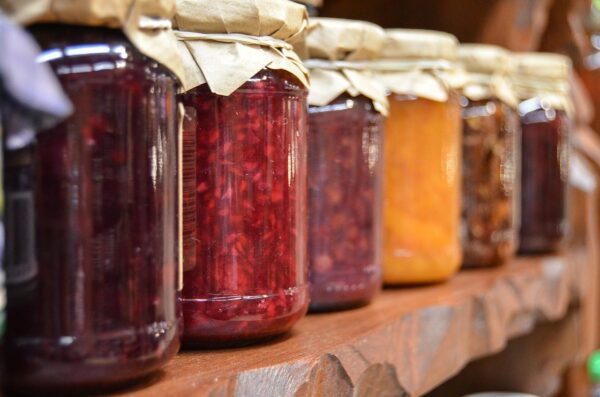
Glass containers are definitely the most accessible cling film alternative out there. You’re likely to already have a couple of used glass containers and mason jars sitting on your kitchen shelves, so there may be no need to buy anything new – I always keep my empty jam jars which are great!
If you need to pack lunch for work or need to store leftovers in the fridge, a large glass container can take care of all your packing needs in a sustainable way.
In fact, while glass is made from non-renewable sources (sand and gravel), it is 100% recyclable and endlessly reusable, so is a very sustainable alternative. Have a closer read of glass sustainability here.
2. Snacks and sandwich paper bags
Another great alternative to plastic film, the humble paper bag makes for a reusable packing option. Make sure you pick durable and waterproof brands specially designed for being reused as others will easily rip.
While paper is a fairly sustainable option, as long as it’s sourced for a responsibly managed forest, it can be reused and repurposed as well as recycled.
Just make sure they are thoroughly cleaned of any food residue before you chuck them in your recycling bin!
Places to shop: Ethical Superstore
3. beeswax food wraps
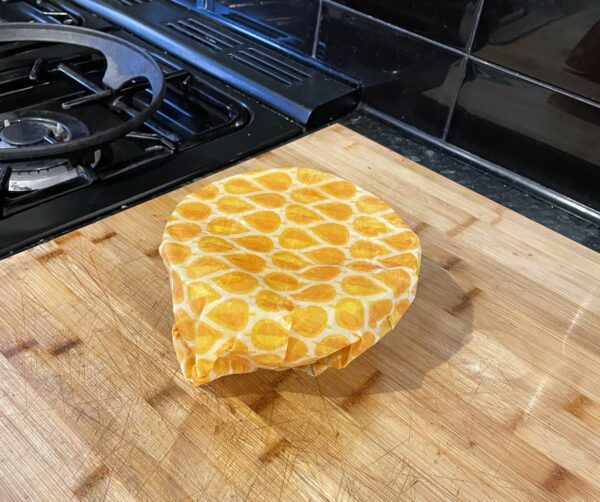
Combining the convenience of paper bags with the sustainability of beeswax products, these food wraps made out of cotton fabric and beeswax are reusable, washable and compostable – a brilliant eco cling film option.
All you need to do is mould them around your food with your hands to replicate the classic cling film wrap. Give the wrap a wipe down with a good eco sponge after use and you can keep using it for up to a year.
Beeswax food wraps aren’t generally recyclable but you should be able to compost them, as long as they don’t contain any unnatural materials.
Places to shop: Big Green Smile, And Keep, Etsy
4. Stainless steel containers
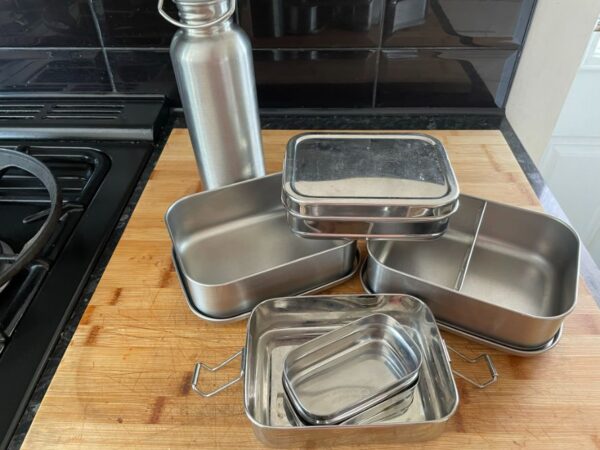
Just like glass containers, stainless steel lunch boxes and containers are some of the most accessible cling film alternatives for packing and storing your food. Even more, stainless steel sustainability and eco-credentials are also on par with the sustainably thought of glass.
In fact, stainless steel is 100% recyclable and highly recycled in the UK with a rate of 96%, making for a durable, endlessly reusable, and overall sustainable alternative to cling film.
I personally have a number of stainless steel containers that I use daily for my breakfast and lunch when I’m out and about. They’re great and so easy to clean afterwards.
Did you know that some new stainless steel containers are now microwavable?
Places to shop: Ethical Superstore, And Keep, Etsy
5. Cloth bags
If you’re a vegan or prefer to steer clear of beeswax, you can also opt for simple cloth bags as an accessible cling film alternative.
They are usually made out of washable cotton, come in a variety of sizes, styles and patterns, and can be used for storing dry ingredients at home as well as for packing your lunch on the go.
To be extra sustainable, make sure the cotton has been responsibly sourced and organic.
Places to shop: Etsy, Not on the High Street
6. Compostable cling film
Finally, you can also opt for compostable, non-PVC cling film. You can use the material for other purposes too besides food wrapping, such as protecting a fresh tattoo or wrapping up furniture.
Compostable cling film is definitely not a perfect solution. The leading manufacturers are still using plastics, such as PLA and PBS polyester as the main material for the film. On the good side, these are a type of bioplastic that is designed to break down under industrial composting conditions.
But if you need to get your hands on an alternative to cling film that is the closest to traditional PVC film, these compostable polyester varieties will definitely take care of all your wrapping needs.
Brands we recommend: Eco Green Living
Tiny Eco Verdict
If you decide to reuse glass or stainless steel containers you already have sitting around in your kitchen, which is arguably going to be the most sustainable option for reducing waste, you’re going to need eco friendly and reusable lids to keep your food fresh and protected.
Rather than opting for a plastic or silicone lid, we recommend going for elasticated fabric lids or simply DIY-ing the process by using a spare cloth with a sturdy elastic.
There’s always a way to reduce our daily plastic use, and with so many more sustainable alternatives to cling film to choose from, you’ll have no trouble finding the right option for your kitchen and food wrapping!
Related kitchen reads
The Green Co review – Refillable, Powerful Plant-Based Cleaning Products
Handmade Portuguese Ceramics That Bring Mediterranean Warmth Into Your Home

#EatYourPumpkin Campaign: Let’s Stop Wasting Pumpkins This Halloween

L.A. Brewery Review: Sustainable, Award-Winning Non-Alcoholic Drinks

New Microwave-Safe Stainless Steel Containers (Zero Waste Game Changer?)

Ocean Bottle Expands With New Eco Friendly Tumblers and Travel Mugs