Top Takeaways
✅ Boiling water taps are more energy efficient to run compared to a standard electric kettle.
✅ Instant hot water taps save on water waste and energy waste through overfilling a kettle and reboiling.
✅ However, boiling water taps do cost significantly more than a kettle which might not stack up from a cost perspective considering the minimal amount they both cost to run.
Just think about how many times you fill up and boil your kettle throughout the day? Whether it’s for brews, coffees or cooking, your kettle gets through a lot of work.
According to research, the average UK household boils their kitchen kettle four times a day.
With technology always looking for more efficient ways of doing things, a lot of modern kitchens now have instant hot water taps.
It certainly saves times, but can it save energy too?
Is a boiling water tap more energy efficient than a kettle?
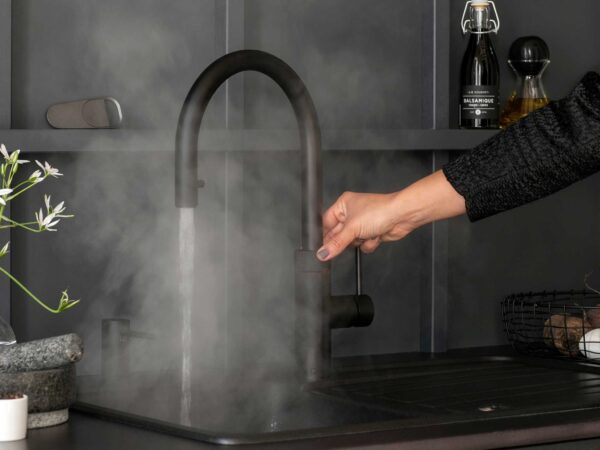
Yes, overall boiling water taps are more energy efficient than standard kettles.
It all comes down to conserving the loss.
Like for like, there isn’t too much difference in the energy usage between the two products as it still takes a certain amount of energy to heat the same amount of water.
The major difference comes with how much water is being heated and how much wasted energy there is from the kettle.
With an instant hot water tap, there’s very little wasted energy, however, they cost significantly more to buy.
There’s a number of things to consider, so here’s all you need to know about instant hot water taps, how they work, why they consume less energy compared to kettles and what their environmental performance really is.
The boom in hot water taps
Boiling water taps have become the next big thing to have in any new kitchen or as part of a greener home. They can also be easily retrofitted into existing designs to create a more eco kitchen.
They go by a few names which all roughly mean the same thing. For the sake of this article, I’ll use the terms interchangeably. We have:
- Boiling water tap – heat to 100oC
- Hot water tap – heat to around 96-98oC
- Instant hot water tap – heat to around 96-98oC
In simple terms, these taps allow you to run a more cost-efficient and energy-efficient kitchen. No more filling up and waiting for the kettle to boil. Simply enjoy your hot drink, cup of tea or mug of ethical coffee in a matter of seconds.
There are many popular brands selling instant hot water taps now including: Quooker and Franke.
Let’s take a look at how these boiling water taps work in a bit more detail, before tackling their energy efficiency and environmental standings.
How do boiling water taps work?
This is all based on science – so how do boiling water taps work?
Drawing from your home’s water supply, a hot water tap heats up the water inside an insulated tank stored right below your sink. It initially takes around 10 minutes and is all done via an electric heating element just like you have in a kettle.
The insulated tank is just like an insulated hot drink flask.
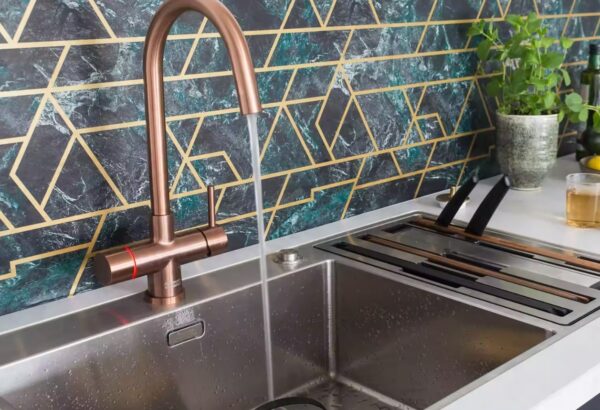
After the water is heated to about 96-98oC (for hot water taps) or around 100oC (for boiling water taps), it is stored in the super insulated tank at that temperature ready for you to use.
It’s important to note that the water inside the tank isn’t on a constant boil. The temperature is maintained using a very minimal amount of power.
It gets up to the final temperature when you turn the tap on, so you can get very hot or boiling hot water straight away. This is also similar to how electric showers work.
When considering the slight difference in temperature, hot water taps are great if you want to use hot water to brew mainly coffee or tea. Instant boiling water taps can be useful in cooking situations when you need to boil pasta or vegetables.
How energy efficient are boiling water taps?
Both boiling water taps and hot water taps can be convenient options for many households. But does convenience mean boiling water taps are more energy efficient?
Yes, boiling water taps are energy efficient. They can save on energy use and wastage, therefore reducing your household costs.
In fact, whilst instant hot water taps do rely on your electricity to heat up water and keep it at the correct temperature, the heavily insulated tank that comes with your tap is designed to conserve energy and prevent any heat from escaping.
As a result, boiling water taps end up consuming less energy than the average kettle. This is because no heat and energy gets wasted in the process.
On top of that, instant hot water taps tend to conserve plenty of water as well. This is because you’d only use the exact amount you need rather than filling a whole kettle before boiling as many people do.
I was pleasantly surprised by this in the same way I was surprised that eco slow cookers use around 10 times less energy than a standard electric oven.
Boiling water tap vs kettle energy
So, let’s compare the energy use of boiling water tap vs kettle.

Kettle vs Boiling water tap running costs
On average, a hot water tap will use around 10 watts of energy an hour to maintain the water at the desired temperature. This is a very small about of energy, costing roughly 0.25p per hour.
This is the energy use after the water has been pre-heated. How many times the hot water tank has to fill up and get to top temperature of course depends on it’s storage capacity and how much you use out of the tap. An under the sink boiling water tank can come in various sizes, from 1.5L to 7.6L.
No matter what the size of the tank, it still takes a certain amount of energy to raise the temperature of water. For example, to heat water from 18oC to 98oC requires 0.93kWh. Whether this is done by a kettle or instant hot water tap, which are both around 100% efficient in their methods, the same amount of energy is used.
As mentioned, the difference comes in the wastage. You get very little waste with a boiling water tap, but you can get much more waste with a kettle:
- Overfilled kettles = wasted energy
- Reboiled kettles = wasted energy
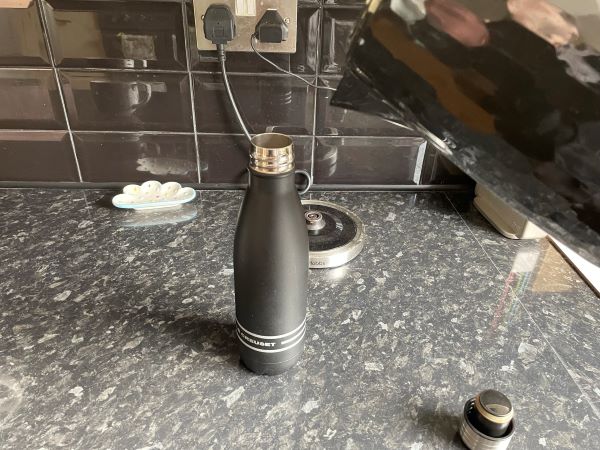
When I overfill a kettle, I’ve now started to store any over-boiled water in a thermos or insulated water bottle to use later on, which is working very well.
Is it cheaper to boil a kettle or run the hot tap?
The main reason why so many households are considering switching to boiling water taps comes down to not only their convenience but also their potential for savings.
Lower energy and water usage come with lower energy and water costs.
It’s estimated that instant hot water taps can use up to 50% less energy than conventional kettles, slashing around £25 off your energy bills each year.
Keep in mind, however, that these numbers are just theoretical estimates. It’s possible that you might already be using your kettle in an energy-efficient way (never filling up more than you need, only heating the water once etc).
For many, the upfront cost of installing a boiling water tap might actually work out as more expensive than simply sticking to a more sustainable kettle-boiling regime. As kettles are electrical items, it’s important that this e-waste is recycled properly.
The average hot water tap can set you back anywhere between £900 and £4,000, although you can find more affordable models for a little over £500. Even the cheapest instant water taps come with a hefty price tag.
Whilst continued use of the instant hot water tap might offset the initial investment, the additional cost of repairs, maintenance and expensive filters might not be worth the energy savings in the long run.
According to Which?, a hot water tap might end up costing you more than twenty times as much as a regular kettle.
If you think you’ll be looking for a kettle, take a look at these eco energy efficient kettles.
So, are instant hot water taps eco friendly?
Whilst these convenient taps might not live up to their money-saving reputation when initial costs are taken into account, they are generally considered a more eco-friendly choice compared to average kettles.
On top of cutting energy usage to up to an estimated 50%, boiling water taps can also help households cut down on water waste, as you’ll only be using what you need as you turn on the tap.
Environmental impact of boiling water taps vs kettles
Let’s also consider the environmental impact behind their manufacturing.
Hot water taps are made of various metals (such as brass) alongside plastic components, and in order to produce them, the raw metals have to be melted and moulded to create their shape.
Despite the energy needed to produce molten metal and casts, this process is considered quite sustainable, as all scrap materials can be recycled and the moulds can be reused many times before disposal. Take a look here to see the sustainability of stainless steel.
Compared to kettles, there’s not much between the environmental impact of production. Generally speaking, most kettles contain different metals and plastic too – even stainless steel kettles.
Wrap up: Hot water taps vs kettle energy
When we put everything together, do hot water taps really come out on top as a more eco-friendly option than kettles?
The answer is yes, but only marginally.
Research shows that boiling water taps are more energy-efficient and water-saving than using a kettle, especially if you tend to overfill it and reheat the water multiple times as a lot of households do. It all depends on how you use your current kettle.
As long as you’re making sure you’re only filling your kettle with the water you need and avoiding reheating leftover water, you’re already taking care of the main issue without having to invest in expensive products like instant hot water taps.
A top tip here is to boil your kettle, use the water you need immediately, then fill up thermally insulated bottles with the boiling water to use throughout the day. This is kind of like an instant hot water tap, minus the expense!
And if you’re opting for a second-hand, energy-saving electric kettle, the environmental benefits will be even bigger!
You’ll like these kitchen reads too
The Green Co review – Refillable, Powerful Plant-Based Cleaning Products
Handmade Portuguese Ceramics That Bring Mediterranean Warmth Into Your Home

#EatYourPumpkin Campaign: Let’s Stop Wasting Pumpkins This Halloween

L.A. Brewery Review: Sustainable, Award-Winning Non-Alcoholic Drinks

New Microwave-Safe Stainless Steel Containers (Zero Waste Game Changer?)

Ocean Bottle Expands With New Eco Friendly Tumblers and Travel Mugs