With energy bills only heading in one direction, homeowners like you and me are on the lookout for clever strategies to shrink our carbon footprint and keep a little extra cash in our pockets.
Luckily, there are more and more eco friendly choices coming to market. We’ve heard about solar panels and heat pumps, but there’s another bright idea that’s been making waves – solar water heating.
Imagine tapping into the sun’s energy to heat your shower water or fill up your bathtub? All while lessening your impact on the environment and your bank balance.
All it takes is to be smart when choosing a solar panel solution. Let’s peek under the hood of the technology, demystify the installation process and even chat about a few things to mull over before you take the solar plunge.
This post comes in collaboration with GreenMatch.
What is Solar Water Heating?
So, what’s the deal with solar water heating you ask?
Well, it’s basically a way of using sunshine to heat up water for homes and businesses. It’s not just an environmentally friendly alternative, but it can also be wallet-friendly too as it will help to cut down on those energy bills.
Here’s the idea. A solar collector sits on your roof and absorbs the sun’s heat, which transfers its heat energy to stored water.
Now, there are two main types of water heating systems. Active water heating systems use electric pumps to move water around. They’re all about efficiency and are pretty common in homes and businesses.
Passive water heating systems use the laws of thermodynamics and natural convection rather than an active pump. They’re less expensive but not as efficient. More on these systems shortly.
Solar water heating is a good fit for all sorts of climates as it runs on the free and plentiful energy of the sun. So, how well it works depends on just how much sun, or ‘insolation’, you get at your place.
Benefits of Solar Water Heating

Solar water heating presents a plethora of advantages that make it an attractive option for homeowners looking to adopt a more sustainable lifestyle while cutting down on energy expenses.
Here are some of the key benefits:
Renewable Energy Source
Solar water heating relies on the sun’s energy, which is an infinitely renewable resource.
Unlike fossil fuels, solar power doesn’t deplete over time. Current estimates suggest the sun will stop generating heat in roughly 5 billion years. For us, this makes it a sustainable and eco-friendly choice.
Reduced Carbon Footprint
By using solar energy to heat water, homeowners can significantly reduce their carbon emissions.
Traditional water heating methods often rely on non-renewable fossil fuels, such as ‘natural’ gas, which release harmful greenhouse gases, like methane and carbon dioxide, into the atmosphere.
Switching to solar water heating contributes to a much cleaner environment and helps combat climate change.
Energy Cost Savings
Solar water heating systems allow homeowners to tap into free, abundant solar energy to heat water.
The initial investment may seem significant and typically stretches between £3,000 and £5,000 without installation. Your long-term savings on water heating bills, however, can eventually drop by 50%-80%!
Low Maintenance
Solar water heating systems are relatively low-maintenance compared to conventional water heaters.
They have fewer moving parts and typically require only periodic inspections and minor upkeep, reducing maintenance costs over time.
Energy Independence
Harnessing solar energy for water heating grants homeowners a degree of energy independence.
This is particularly appealing in regions prone to energy supply disruptions or fluctuations in fossil fuel prices.
Who wants to be at the mercy of energy companies raising their prices whenever they feel like it? Not me.
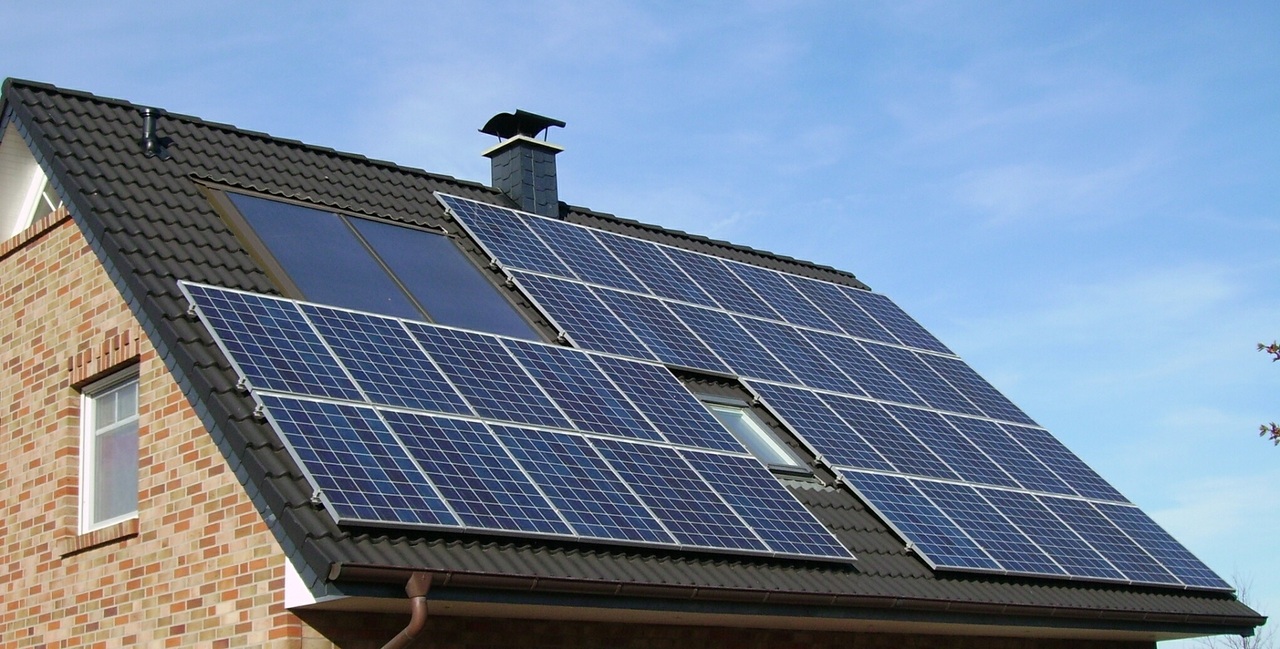
Exploring Solar Water Heating Technology
Understanding the technology behind solar water heating is essential for homeowners considering its adoption.
When opting for a solar panel for solar water heating, it’s essential to factor in various elements. An article about solar panels on GreenMatch highlights the following factors:
- Specific solar water heating arrangement that suits your needs
- Solar resources accessible at your location
- The available surface area on your roof or land
- Potential for shading caused by trees or structures
- The most effective orientation and angle for positioning the solar collector
- The appropriate system size
Apart from that, keep in mind there are two main types of solar water heating systems:
- Active
- Passive
Let’s take a look at both.
Active Solar Water Heating
Active systems utilise pumps or other circulation devices to move water between the solar collector and the storage tank.
There are two subtypes within active systems: direct circulation and indirect circulation.
Direct Circulation System
In this setup, a pump circulates water through the solar collector, where it is heated by the sun, and then transfers the heated water directly to the storage tank. This type of system is best suited for regions with mild climates where the risk of freezing is minimal.
Indirect Circulation System
Indirect systems use a heat-transfer fluid (usually a non-freezing antifreeze solution) to absorb heat from the solar collector.
This heated fluid then transfers its thermal energy to the water in the storage tank through a heat exchanger. This is similar to how air to water air source heat pump types work. Indirect systems are suitable for colder climates where freezing is a concern.
Passive Solar Water Heating
Passive systems rely on natural convection to circulate water through the system.
There are two main types of passive systems: integral collector-storage (ICS) systems and thermosyphon systems.
Integral Collector-Storage (ICS) System
ICS systems feature a storage tank integrated with the solar collector. As water is heated in the collector, it naturally rises into the storage tank due to density differences.
ICS systems are simple and cost-effective but may not be as efficient as active systems.
Thermosyphon System
This type of system also relies on density-driven circulation. The storage tank is located above the solar collector, allowing heated water to rise into the tank.
Thermosyphon systems are more efficient than ICS systems but require careful design and positioning.
Installation Process and Considerations
Installing a solar water heating system involves several key steps and considerations:
1. Site Assessment
Let solar installers or heating engineers access your home’s solar potential. Factors such as solar exposure, shading and available space will influence the system’s efficiency and performance.
2. System Sizing
Choosing the right system size is important to ensure that your solar water heater meets your household’s hot water demands. Oversized systems may lead to wasted energy, while undersized systems may not provide sufficient hot water.
For this, you need a clear picture of your energy consumption and daily energy needs. Divide those by the average daily sunlight hours to determine the capacity of solar panels you need in kilowatts (kW).
And remember about system losses as they influence the total panel capacity and the over number of panels you need.
3. Collector Type
Solar collectors come in different types, such as flat-plate collectors and evacuated tube collectors. Each has its own advantages and disadvantages in terms of efficiency, cost and suitability for different climates.
Flat-plate collectors are more suited to milder climates, whereas evacuated tube collectors are better in colder climates as they are more resistant to freezing.
4. System Orientation and Tilt
The orientation and tilt of the solar collector can impact its efficiency. Optimal positioning ensures maximum sun exposure, especially during the winter months when the sun is lower in the sky.
5. Backup System
Consider whether you need a backup water heating system for cloudy days or high-demand periods. Common backup options include electric or gas water heaters.
6. Financial Incentives and Rebates
Explore available financial incentives, tax credits and rebates offered by government agencies or local utilities. These incentives can significantly offset the initial installation costs.
Currently, you can choose between the SEG scheme, ECO4 or 0%VAT initiatives while considering solar panel installation.
7. Maintenance
Regular maintenance, such as checking for leaks, inspecting components and ensuring proper fluid levels. This will help extend the life of your solar water heating system and optimize its performance.
Wrap Up on Solar Water Heating
Solar water heating is the way to go if you want to be all eco-conscious and save on your energy bills. These systems are a renewable, budget-friendly and low-maintenance way to heat your water. In regards to the environment and energy independence, solar water heating is way better than the old-school methods.
And guess what? As tech improves further and more people want to live a sustainable life, you can bet that the prices and accessibility will come tumbling down for solar water heating.
So, if you’re thinking about going green and improving your renewable credentials, checking out solar water heating is a great move to make. They’re only going to become more popular, just like we’ve seen with the installation numbers of solar panels and heat pumps.
Recent innovations have also made it possible to take solar generation with you. Check out this post on portable solar power stations.
Read more about renewable energy solutions for your home…