Last year over 380,000 new electric vehicles landed on UK roads. For many drivers, the high upfront cost of a new EV still puts them a little out of reach with 56% of people stating they’re too expensive.
However, the growth in popularity of new EV registrations has significantly increased the number of used EVs available as many ‘early adopters’ are now upgrading to newer models.
This surge in supply is outstripping current demand, causing prices of used electric cars to tumble.
Although not ideal for current EV owners, the second hand electric car market offers an affordable and accessible way to transition to greener transport.
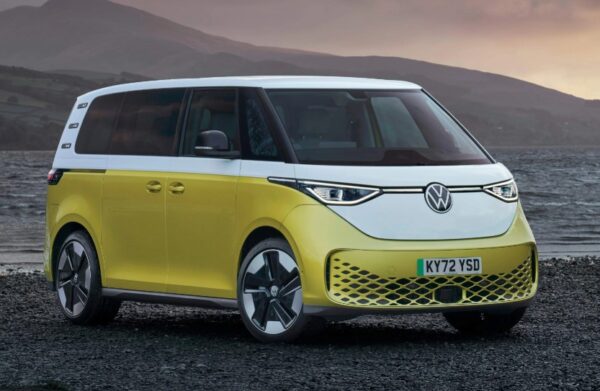
How much does a used EV cost?
The price of a second hand electric car depends on factors such as the make, model and age of the vehicle.
However, you can expect to pay anywhere between £5,000-£10,000 for an entry-level used EV up to £30,000-£40,000 for a higher end model.
You can pick up entry-level models like the Renault Zoe and VW e-Golf for under £10,000, whilst premium used EVs like the Tesla Model 3 or Jaguar I-Pace tend to be priced within the £20,000–£30,000 range.
The average cost of a used EV according to an Ashton Barclay report is £15,625. According to vehicle valuation company Cap HPI, the values of used EVs have halved since September 2022.
This significant price drop is partly due to rapid advancements in EV technology, which make older models less desirable. For buyers, this creates an opportunity to purchase high-quality electric cars at much lower prices than just a few years ago.
Benefits of buying a used electric vehicle
Going for a second hand electric car comes with a range of advantages.
1. Cost savings
One of the most significant benefits of buying a used EV is affordability. Second hand EVs are significantly cheaper than their new counterparts.
In fact, research shows that used electric cars are now cheaper to buy than equivalent petrol or diesel models. A brand new petrol or diesel car registered in 2024 is expected to hold 66% of its original value after 3 years or 30k miles – however, a brand new EV is expected to retain just 50%.
Additionally, running costs are substantially lower for EVs.
Home charging on an EV-specific electricity tariff can be as low as 7p per kWh and cost as little as £4 for a full charge. Octopus Energy have some of the best EV tariff rates around. Consider how much you’d pay for a full tank of petrol?
If you don’t have access to home charging, then you will face much higher prices at public charging points where you can pay between 50p and 80p per kWh.
You can take a closer look at EV charging options here and this post on the best home EV chargers.

2. Environmental benefits
Purchasing a used EV also has significant environmental advantages. By extending the lifecycle of an electric car, you reduce waste and avoid the carbon emissions associated with manufacturing a new vehicle.
EVs also emit no tailpipe emissions, making them a cleaner option for everyday driving.
If you can charge your EV at home and you have solar panels and other green home tech integrated into the scenario, then you really are running on green energy.
3. Reassurance and reliability
Many used EVs still come with warranty left. This tends to refer to the car battery, which is the most contentious topic for budding buyers.
Most manufacturers offer warranties that cover the battery for up to eight years or 100,000 miles. Even beyond the warranty period, a well-maintained EV battery can last for many more miles, providing reliable performance for years to come. The Tesla battery for example, is said to be built to outlive the car, which is why many get repurposed into battery storage units for homes.
Either way, make sure you get a battery state of health check done before you buy any electric car.
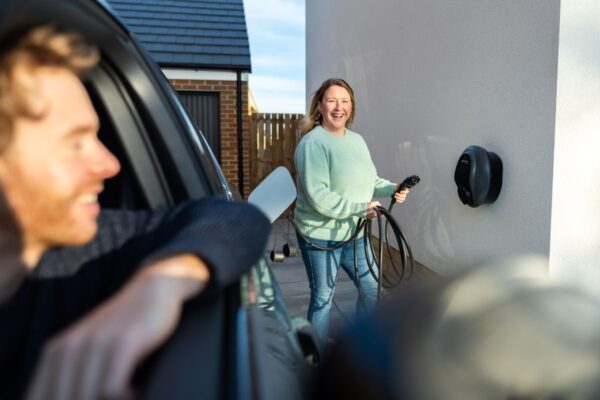
4. Access to premium models
Another benefit of the second hand market is the opportunity to access premium EV models at more affordable prices.
Luxury cars like the Jaguar I-Pace or even the Porsche Taycan, previously out of reach for many buyers, are now available at around half their original prices.
What to look for when buying a used EV?
Alongside car purchase price, there are additional considerations to take into account when purchasing a second hand electric car. Here are a few things to look out for:
- Battery health – Check the battery’s state of health (SoH) and state of charge (SoC). Is it still under warranty? Battery capacity naturally fades but only by 1-2% a year, so even after 10 years a well-treated battery should still be in good condition.
- Charging options – Consider whether you’ll rely on home charging or public chargers. Can you charge at work? This will significantly affect your running costs.
- Service history – Verify the car’s maintenance records to make sure it’s been well cared for. Despite being electric, EVs still need an annual MOT and service.
Where to find second hand electric cars for sale in the UK
The growing popularity of electric vehicles means there are now more places than ever to find a second hand EV. Whether you prefer browsing online platforms or visiting local dealerships, there are plenty of options to suit your needs.
1. Online marketplaces
Popular websites like Auto Trader and Carwow are some of the best platforms for buying second hand electric cars in the UK.
These sites allow you to filter by budget, mileage, model and location, making it much easier to find the right car.
At the time of writing on Auto Trader, there were over 24,000 used EVs for sale. In terms of pricing, 860 of these were available for £10k or less and 9,492 for £20k or less.
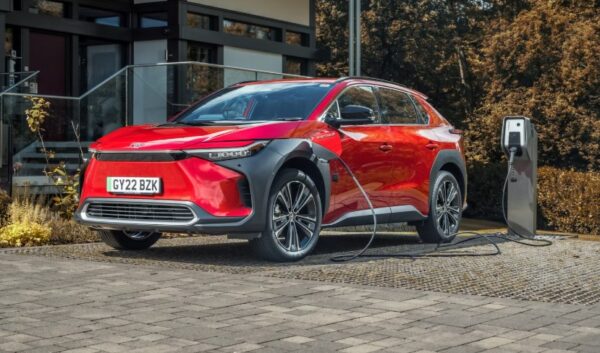
On Carwow there were 3,282 used electric cars for sale. Just 46 were under £10k and 1,477 under £20k.
Peer-to-peer car sales websites like Cazoo and Cinch provide a modern, hassle-free way to buy and sell vehicles. These platforms often include features like home delivery and money-back guarantees.
2. EV-specific dealerships
Specialised dealerships focusing on electric vehicles are becoming increasingly common. These dealers often offer certified pre-owned programmes, which include thorough inspections and warranties for added peace of mind.
Check local EV dealerships in your area or search online directories for recommendations.
3. Manufacturer pre-owned programmes
Many EV manufacturers, such as Tesla and Nissan, have their own certified pre-owned schemes. These programmes can include extended warranties and rigorous quality checks to give you peace of mind that you’re getting a reliable vehicle.
4. Local dealerships
Traditional car dealerships often have a selection of used EVs alongside petrol and diesel models. Additionally, local classified ads or community forums can be a good source for finding deals from private sellers.
Going electric
The second hand EV market is thriving. With prices dropping and availability increasing, there’s never been a better time to consider making the switch. Whether you’re looking for a budget-friendly runaround or a premium electric vehicle, the market has something to suit every need.
FAQs on buying a second hand electric car
1. What is the average cost of a used electric car in the UK?
The cost of a second hand EV varies depending on the make, model and age. Entry-level models like the Renault Zoe or VW e-Golf can start under £10,000, whilst premium options like the Tesla Model 3 or Jaguar I-Pace range from £20,000–£30,000.
2. How can I check the condition of a used electric car’s battery?
Battery health is crucial when buying a used EV. Look for cars with a valid battery warranty (usually 8 years or 100,000 miles). Some sellers or dealerships provide reports that indicate the battery’s state of health (SoH) and state of charge (SoC), to show you the remaining capacity compared to the original.
3. Are there any government incentives for buying a second hand EV?
Although most government grants are aimed at new EV purchases, used EV buyers may still benefit from reduced road tax or access to low-emission zones, depending on the vehicle. Additionally, EV-friendly electricity tariffs from energy suppliers can significantly lower running costs.
4. What are the ongoing costs of owning a used electric car?
The main expenses include electricity for charging, insurance and occasional maintenance. Home charging on a specialised EV tariff is the most cost-effective option, costing around £5 for a full charge of a 60kWh battery. Public chargers are more expensive, often exceeding 70p per kWh.