Wood burning stoves have been getting a lot of media attention in the last few years.
Concerns have been raised about their environmental impact and potential regulation changes. Could wood burning stoves be banned completely?
I think this is unlikely, but the government and news coverage certainly seems to have picked a side in the debate against wood burners.
Over 100 new licenses for oil and gas drilling in the North Sea are fine for the environment. As are the chemical-heavy, fossil-fuel reliant polluting industries up and down the country. But no, wood burning stoves in people’s homes seem to be the target.
That said, is there a legitimate concern for wood burning stoves? Let’s take a good look at this topic.
- Increase in Wood Burner Sales
- Concerns Over Particulate matter emissions
- How Modern Ecodesign Wood Burning Stoves Are Better
- Indoor Air Pollution Concerns
- How to Use a Wood Burning Stove Responsibly
- Best Fuel Choices for Wood Burners
- What Wood You Shouldn't Burn on a Wood Burner
- Wrap up on wood burners and the environment
Increase in Wood Burner Sales
Wood burning stoves have had a resurgence in popularity in recent years. Some figures suggest that sales of stoves have increased by as much as 40%.
One significant factor behind this jump are the escalating energy bills. Which in turn have been intensified by the cost of living crisis.
Many people are turning to a small wood burning stove as an affordable solution for heating their homes. They’re also popular in off-grid huts and other properties not connected to the mains grid.
In my view, this could be part of the reason for the attacks on wood burners. They offer people a self-sufficient way to heat their homes and spaces. No national grid connection needed. This also means no need for fossil fuel industry supplies.
This may be a cynical view, but there could be a connection.
Reasons for wood burner popularity
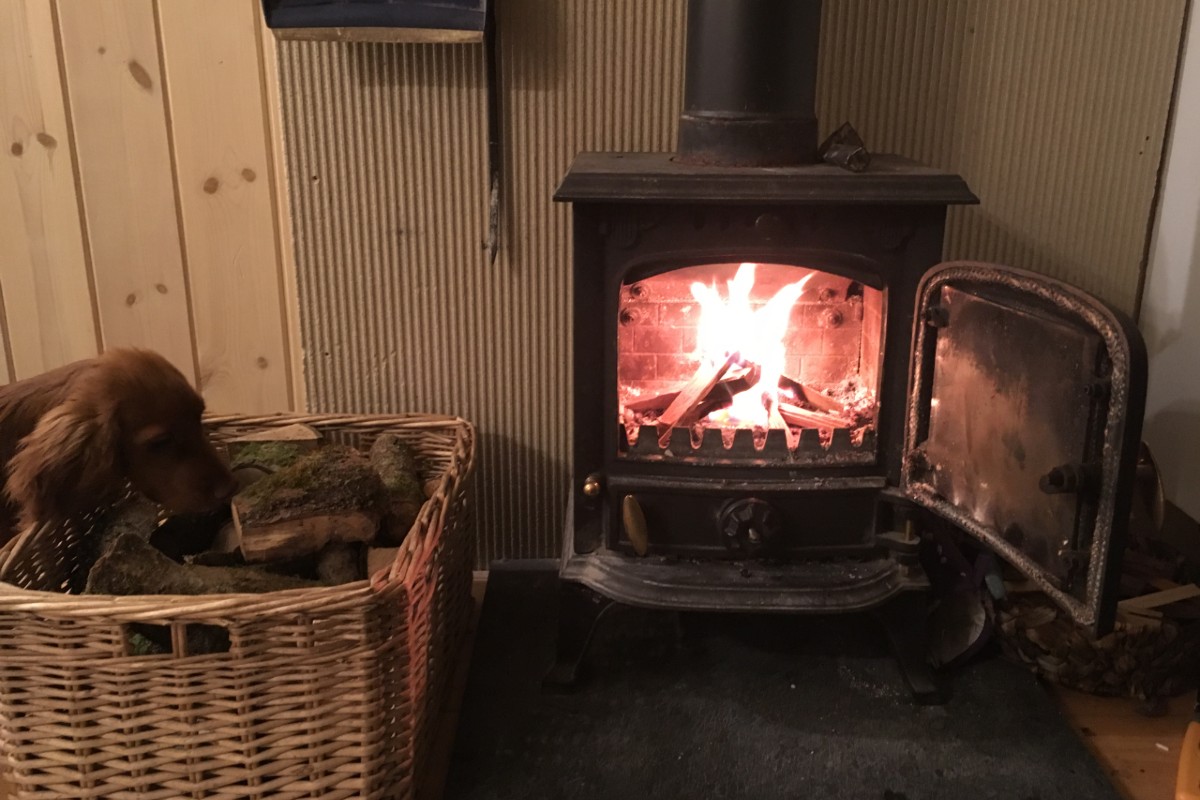
Some of the reasons for the surge in wood burner purchases are:
- The lower cost of using wood compared to gas, oil, or electricity for heating homes. You can read more on how much log burners cost to run.
- Self-sufficient heating source and independence from the national grid
- Providing a backup heat source during potential power outages and shortages
- Adding value to various types of homes
- Wood burning stoves are relaxing – humans have (quite literally) evolved alongside fires
Concerns Over Particulate matter emissions
So, let’s get into the crux of why wood burning stoves have been under big pressure from an environmental perspective.
Wood burning stoves emit matter into the air. There’s no doubting this. The matter is known as particulate matter (PM), which consists of tiny particles suspended in the air.
There are two main types of PM:
- PM10 – Particles which are smaller than 10 micrometres
- PM2.5 – Particles less than 2.5 micrometres
Particulate matter can be harmful to human health. The particles are small enough to be inhaled into your body without you knowing.
PM can also be bad for the environment. Not from a greenhouse gas perspective, but from an air quality issue.
All sorts of things can release PM2.5. Vehicles and industrial processes are two main sources. Even natural sources, like pollen, emit PM2.5. The amount of PM2.5 and PM10 emissions in the UK has decreased by 79% since the 1970s.

According to new stats in 2023 from Defra, domestic combustion in 2021 released 27% of the UK’s total PM2.5 emissions. Other surveys have suggested this figure is closer to 13%.
The problem is that this figure from homes includes all domestic combustion – old stoves, open fires and new Ecodesign stoves. These aren’t distinguished in the stats.
However, it’s possible, according to the Stove Industry Alliance (SIA) that the amount of PM2.5 emissions released by modern Ecodesign stoves has often been exaggerated. The SIA believes only 4.8% of this figure is caused by Ecodesign approved wood burning stoves.
This equates for just 1.3% of total UK PM2.5 emissions. Much less than emissions caused by the likes of road transport, open fires and industry.
The new Ecodesign regulations were brought in for the start of 2022. We’ve not yet had the figures through as to how the new regulations have affected PM emissions.
The headline figure is this: modern Ecodesign wood burning stoves emit around 90% fewer emissions than open fires and up to 80% fewer than old, inefficient stoves. In terms of sustainability, this is a significant improvement.
You can buy second hand log burners, but it’s not advisable to buy an old, non-Ecodesign model for the reasons above. If you are going second hand, make sure it’s still Ecodesign approved.
How Modern Ecodesign Wood Burning Stoves Are Better
Modern Ecodesign wood burning stoves have made significant improvements in reducing the environmental impact compared to traditional models.
These more eco-friendly stoves are designed to comply with strict regulations, ensuring that they produce fewer emissions and have a better combustion process. ClearSkies is another stove certification to look out for to ensure low emissions and high efficiency.
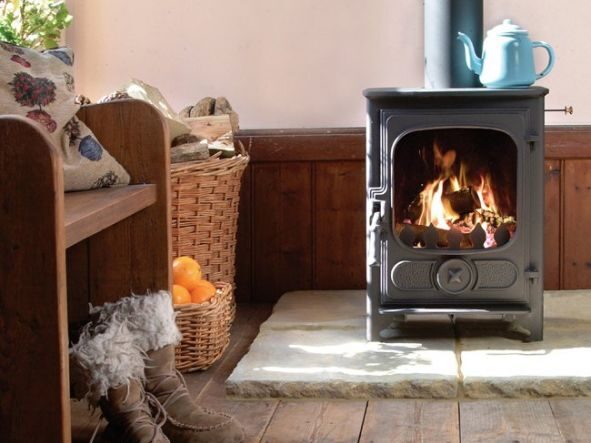
Here are some noteworthy advancements in modern Ecodesign stoves:
- Efficiency: Ecodesign wood burning stoves have a much higher efficiency rate than their older counterparts. This means that they can generate more heat from the same amount of wood, resulting in fewer emissions and reduced fuel consumption.
- Reduced Emissions: One of the main aims of Ecodesign stoves is to reduce harmful emissions that affect air quality and human health. These stoves are designed to greatly minimise the amount of PM2.5 and PM10 released.
- Cleaner Combustion: Modern Ecodesign stoves utilise advanced technology to ensure a clean and efficient combustion process. This involves features like airwash systems, which help to maintain a clear glass window and better airflow, along with secondary or tertiary combustion techniques that further reduce emissions.
- Sustainability: Ecodesign wood burning stoves utilise sustainable fuel sources, such as logs from well-managed forests or recycled wood waste. This helps to lessen the overall environmental impact by reducing deforestation and the use of non-renewable resources.
Indoor Air Pollution Concerns
Indoor air pollution is another argument against wood burning stoves. The truth is that it can be a concern, but proper stove use can significantly reduce this issue.
Indoor air is polluted from many unsuspected sources, including when you cook, use the toaster, clean with spray chemicals, use candles and aerosols.
With modern stoves, very little smoke should be going into the internal environment. Instead it should be going up the chimney.
A recent literature review found no evidence of adverse health effects related to indoor air exposure from modern enclosed wood burning stoves. But it’s always advisable to use them in the safest, most responsible method possible. Let’s look at that.
How to Use a Wood Burning Stove Responsibly
To make sure your wood-burning stove has a minimal impact on the environment, follow these guidelines:
- Buy Ecodesign or clearSkies – You can only buy Ecodesign approved wood burners now. A clearSkies approved stove may offer even better efficiency and reduced emissions.
- Seasoned wood – Only burn seasoned, fully dry wood. Avoid burning damp or wet fuel at all costs
- Use wood from sustainable sources – Make sure the wood you burn comes from a responsibly managed forest or local source. This can help reduce deforestation and ensure a sustainable supply for the future.
- Before opening the door – Open all air controls on the stove, then very slowly open the door. This allows the air pressure in the stove to equalise with the room.
- Good hot ember bed – Make sure you place a log on good bed of hot embers
- Keep refuelling times short – The longer the door is open, the more chance of PM escaping
- Clean – Regularly clean and maintain your wood burning stove to ensure it operates efficiently and safely. A well-maintained stove produces fewer emissions and is more energy-efficient. Only empty your ash pan outside.
- Ventilation – Ensure proper installation and ventilation
By following these steps, you can enjoy the warmth of a wood-burning stove while minimising its impact on the environment.
Best Fuel Choices for Wood Burners
For me, there are two top choices for wood burning stoves.
1. Eco Logs and Heat Logs
Eco logs, also known as heat logs, are an environmentally friendly option for wood burners.
Made from compacted sawdust or wood shavings, eco logs produce less smoke and release fewer pollutants compared to traditional firewood.
Additionally, heat logs have a high heat output offering an efficient burn for your wood-burning stove.
Take a look at some of the best eco logs here.
2. Well-seasoned, sustainable Dry Wood
When using a wood burner, it’s crucial to select well-seasoned and fully dry wood.
Fully dry wood contains less moisture, which means it produces less smoke and less creosote buildup in the chimney.
Some ideal options for burning are ash and birch, both of which offer a steady flame and burn slowly. By choosing seasoned wood, you contribute to reducing pollutants, maximising heat output, and minimising damage to your stove and chimney.
If you’ve got your wood from a local source for cheap (or even better free), make sure you dry it out for a year at least.
If you’re looking to be more sustainable in general, I’d stay away from fossil-fuel derived fuel sources, such as coal, smokeless coal, anthracite and peat briquettes. These can only be burned on a multi fuel stove anyway, but their origins aren’t environmentally friendly.
What Wood You Shouldn’t Burn on a Wood Burner
Certain types of wood are not suitable for burning in a wood burner due to their low heat output, high smoke production or the release of toxic fumes.
Some examples of such woods include:
- Cypress: Burns quickly and provides very little heat.
- Spruce: Produces minimal heat but generates a lot of smoke, and can also spark and spit.
- Willow: Burns poorly and offers an unimpressive flame.
It is advisable to avoid burning softwoods as they burn more quickly due to their lower density.
Additionally, you should not burn treated or painted wood. This is because they will release harmful chemicals when burned.
Wrap up on wood burners and the environment
I’m not going to say wood burning stoves are good for the environment. That would be wrong and misleading.
But are they better for the environment than burning fossil fuels? Yes I think so. Fossil fuels can cause much more harm and environmental impact from the way they are mined, drilled, processed, manufactured and transported.
Are wood burners better for the environment than electrical heating? The answer here is no.
Electricity releases no emissions or PM at source. This isn’t to say electricity is perfect though. Again, it depends on how it’s been generated. In the UK, a lot of electricity is still generated from burning fossil fuels. Now, the ratio is shifting to more renewable energy sources – which is fantastic – but we’re not fully there yet as a country. It’s also unclear if the current government actually want to get us there?
That said, heat provided through electricity, such as with smart electric radiators, that’s generated from renewables sources (whether this is solar, wind or air) is better for the environment. I do still think that wood burners can play a part in our homes without causing environmental damage.
Liked that? Read more about stoves…
No post found!