Top Takeaways
>> Natural wood can be recycled.
>> Treated wood, painted wood or wood that’s been combined with other materials is much harder to recycle. This is also true for MDF and plywood which contain glue.
>> Wood generally isn’t taken by your curbside collection, but council recycling centres should have a wood recycling section.
Surely wood products can be recycled and used again? It’s a natural material after all that has good strong fibres.
Yes, in its normal, natural state wood can be recycled.
However, it’s what we do to the natural wood that determines whether the timber product can be recycled or not in the real world. Being one of the most natural materials in the world, wood ends up in a variety of shapes, sizes and conditions.
Treating wood, combining it with other materials and layering it with laminated sheets and membranes all add in extra complexity to the recycling process.
Recycling wood is a little more difficult than it seems at first glance. Let’s find out what types of wood can be recycled and how to make sure your timber waste gets sent to the correct recycling facility.
Is wood recyclable?
So, can you recycle wood?
In general, yes wood can be recycled.
The benefit of recycling wood is that it can be reused and repurposed into secondary wood-based products, rather than cutting down more trees for their timber.
However, not all wood is the same and the term itself is used to describe a diverse and wide-ranging set of materials and items.
Main types of wood waste streams
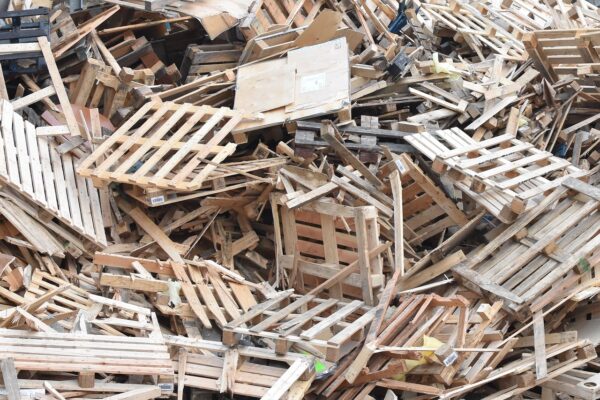
- Softwood – made from coniferous trees e.g. fir, spruce, pine
- Hardwood – made from broadleaved trees e.g. oak, teak, mahogany
- Plywood
- Chipboard
- MDF
- OSB
According to a 2012 government wood waste report, over 4 million tonnes of wood entered the waste stream in 2010. Just over half of this (56%) was solid waste from hardwood and softwood, 11% from chipboard and 9% MDF.
With different wood waste types, there are a few caveats that need to be taken into account when recycling.
Treated vs untreated wood
A simpler way to categorise wood waste for recycling is treated versus untreated.
Generally, untreated wood is easily recyclable whereas treated wood is more difficult and may not be recyclable at all. However, if your wood has been treated with a natural eco friendly wood timber protector it will be ok.
Painted wood is also more difficult to recycle. There are more and more eco-friendly paints out there, but still, recycling centres may have different policies on painted timber.
Can you put wood in the recycle bin?
Wood is not normally accepted as part of your local council collection. This means that wood is generally not recyclable from curbside.
Even though it is a type of brown organic waste, wood needs to be sent to a specialist recycling facility.
For this reason, you shouldn’t put wood or timber into your green/food waste recycling bin. Depending on your council, this brown waste is often taken to an industrial composting facility.
A big, heavy chunk of timber isn’t going to break down any time soon. Even in an industrial composter! There’s a reason why solid wood is used in construction – it lasts a long time.
Wood needs its own specialist facility to be broken down sufficiently enough to reuse. Take a look at our recycling resource page to check the status on other materials.
How about the recycling centre?
The good news is that most recycling centres will accept wood waste to be recycled.
Here, you’ll be able to put your timber waste into the correct collection point. Then it will then get sent on to a more specialist facility to be dealt with properly and hopefully recycled.
Some types of wood waste, such as plywood and MDF, contain chemical-based adhesives, which means they need to be dealt with separately.
If you’re not sure where your nearest centre is, take a look at this government webpage.
There are other ways to recycle wood waste at home. For example, you might like to repurpose an unwanted pallet into an outdoor planter (like I’ve done below) or create some simple furniture.
It is possible to compost some of your timber waste too but this needs to be chopped right down or in the form of wood shavings. Just like when composting coffee grounds, some brown waste is good but too much will cause an imbalance.
If you do go down this route, it’s vital that your wood is untreated – any stains, varnishes or plastic laminate coatings found on treated wood may cause damage to your compost pile and the surrounding natural environment.
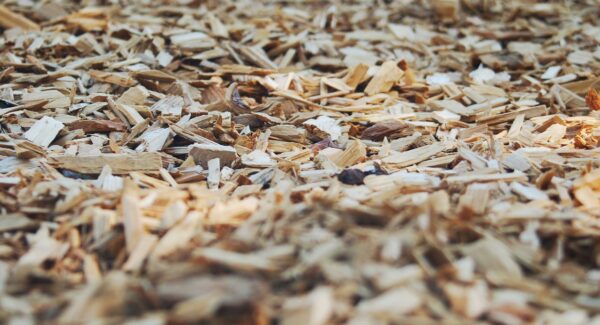
Main uses for recycled wood
Now the wood has been broken down into more manageable and practical sizes, what is the recycled product used for?
Chipped up wood has a variety of secondary uses. Although you might not be able to recreate a large solid oak table, recycled wood can still be a useful material for a number of simple but important purposes. Check out our materials resource page here to see how sustainable certain products are.
Uses for recycled untreated wood include:
- Mulch
- Compost
- Panelboard or chipboard
- Animal bedding – e.g. for horses, cows, chickens and cat litter
- Play areas
- Pathway coverings
- Burnt and used for energy – this goes for industrial and at home via biomass boilers. If you have your own wood burning stove, you might be able to use your untreated wood in this
It’s important to note that treated wood has a more restricted recycling afterlife.
Treated wood that has been recycled can only be used for panelboard or chipboard manufacturing, or burned for energy production. This is still useful but much more limited.
Consider repurposing your wood before recycling it

As well as taking wood to a recycling centre, there are many other ways to deal with unwanted wood.
The first step before recycling from a sustainable living point of view is reuse.
Reusing a product or material requires little to no energy input or processing. This is great for the environment and our natural woodlands. It may also save you from forking out and buying a brand new item.
Wood is the perfect material to reuse. I love this natural material and have managed to repurpose it to create a few new items in my home.
For example, instead of taking a few wooden pallets to the recycling centre, I decided to repurpose them into a good number of planters for the garden.
When I moved into my house originally, I found a few lengths of wood in the loft. They looked in decent condition and were good shapes, so I decided to sand them down, treat them naturally and created a couple of really nice wooden shelves.
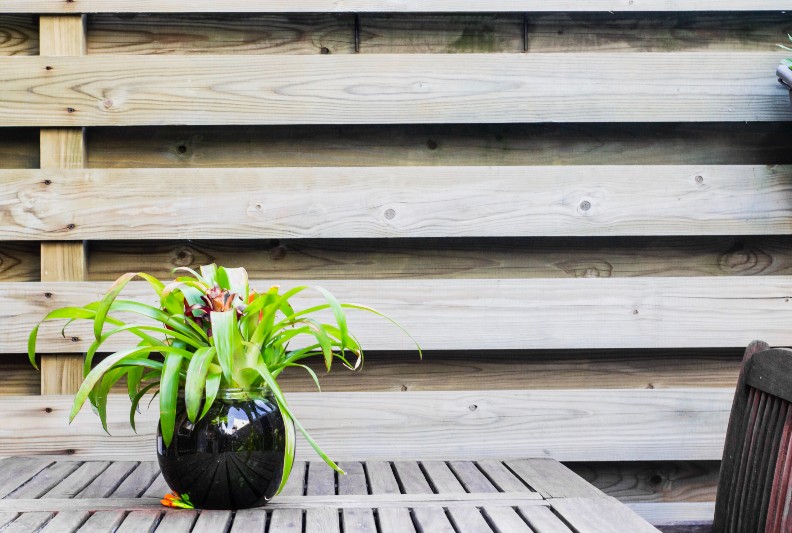
My DIY skills are severely limited, but even I managed this simple job. It not only saved me a fair bit of money, but it gave the wood a new life rather than being chucked away. Very rewarding.
There’s also a good market out there for recycled wood and second-hand products.
People will happily pick up your wood waste and take it off your hands to reuse in their own way. Post it on one of the online marketplaces or your local community group and I bet it will be snapped up. You might even make a couple of quid.
However, sometimes you do run out of ideas or the wood has come to the end of its current life and you just want to get rid.
In this case, follow the steps and advise given above on how to recycle your wood and you’ll be doing your little bit for the environment.
Related reads