Top Takeaways
>> Air source heat pumps cost between £10,000-£14,000, including installation.
>> The Boiler Upgrade Scheme grant (worth £7,500 in England and Wales) brings most installations down to £2,500-£6,500 for the homeowner.
>> Running costs vary by property size, with annual costs on average ranging from £830 for a one-bedroom property to £1,600 for larger homes. Special heat pump tariffs can save £260-£580 per year compared to gas boilers.
Air source heat pumps continue to dominate as the best choice for household renewable heating.
In 2024, there were around 60,000 heat pump installations in the UK, representing a 43% increase from 2023. This figure includes both air source and ground source heat pumps, but it’s clear that air source are the heat pump of choice by a factor of six.
This difference in popularity between these two types of heat pumps is down to a few things, of which one of the most important is costs.
Costs are always as the top of the priority list – and rightly so. Understanding the true costs involved is essential for homeowners considering this heating tech to create a greener home. You need to know what to expect from initial purchase to long-term running costs. This comprehensive guide breaks down all the numbers you need to know for air source heat pump costs in 2025.
Air source heat pump initial costs
Air source heat pump prices vary significantly based on system type, capacity and your property’s requirements.
The most popular type of heat pump in the UK is an air-to-water heat pump system. Prices for an air source heat pump tend to range between £10,000 and £14,000, including installation.
Air-to-water systems are more expensive than air-to-air models as they provide both heating and hot water, whereas air-to-air systems work more like air conditioning units and don’t supply hot water. At the higher end, ground source heat pumps cost around £20,000 – £30,000.
According to recent market data, after claiming the £7,500 Boiler Upgrade Scheme grant, most homeowners pay between £2,500 and £7,000 for an ASHP. Octopus Energy reports that the national average after the grant is taken off sits at £5,565.

However, costs can vary significantly based on property size as you’ll require a different size heat pump – check out our air source heat pump size calculator. Even a standard 3-bedroom home will differ in system capacity compared to 4-bedroom properties.
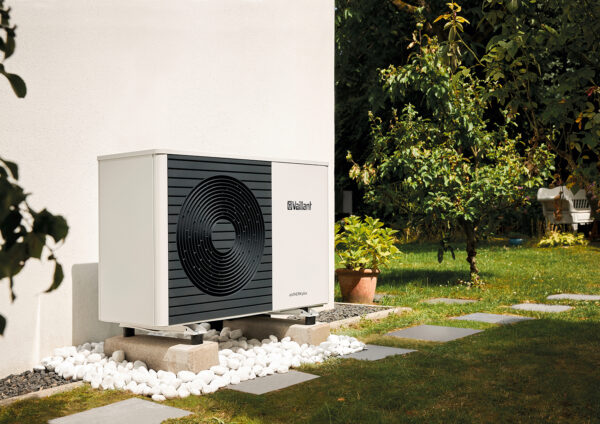
Different manufacturers offer varying price points too. For example, the supply cost of a Daikin can range from £4,500 to £9,000 and a Vaillant ASHP can cost anywhere between £4,000 and £15,000.
Market trends suggest encouraging news with heat pump prices are expected to drop by 20-25% in the coming years as manufacturing scales up and installation processes become more streamlined. This projected decrease, combined with increased government support, makes 2025 an increasingly attractive time to consider installation.
How much are installation Costs?
Installation costs should be included in your quote. If they’re not, make sure you follow up for full transparency.
With a standard air source heat pump installation taking between 2 to 5 days to complete, installation costs account for roughly half the total system price. This ranges from £3,500 to £6,000 for labour alone.
Your location plays an important role in determining costs too. London and the South East command higher prices due to increased labour rates, whilst some rural areas might incur additional charges due to travel time and accessibility issues.

Before any installation begins, you’ll need a professional heat loss survey to make sure your heat pump can be sized up appropriately. This will also determine whether your property needs additional modifications, such as more insulation, to operate efficiently with a heat pump system.
Working with qualified heat pump installers who understand local requirements and building regulations is essential. MCS certification is crucial not only for quality assurance but also for accessing government grants.
Additional System Costs to Consider
Beyond the basic heat pump system, there are potentially several additional costs that can impact your total investment. Understanding these potential extras upfront helps avoid surprises during the installation process.
Insulation upgrades often represent the most substantial additional cost, ranging from £1,000 to £5,000 depending on your property’s current state. Properties with poor insulation may require:
- Cavity wall insulation: £500-£1,500
- Loft insulation: £400-£1,200
- Floor insulation: £500-£2,300
- Draught-proofing: £200-£600
Hot water cylinder requirements add another layer of complexity. Most properties transitioning from a combi boiler will need a new cylinder, costing between £1,000 and £1,500. Even properties with existing cylinders might need upgrades to ensure compatibility with the heat pump system.
Radiator upgrades represent another significant consideration. Since heat pumps operate at lower temperatures than traditional boilers, you might need larger radiators or underfloor heating. This can add £3,000-£9,000 to your project, depending on property size and current setup.
Smart controls and monitoring systems typically add £200-£500 to the initial cost but can significantly improve system efficiency and user comfort. These systems allow remote monitoring and optimisation of your heating system, which can reduce running costs over time.
What Financial Support is Available?
People in England and Wales can access the Boiler Upgrade Scheme (BUS), which has been extended until April 2028. It’s now been closed in Scotland and Northern Ireland.
The scheme gives you £7,500 towards the cost of a heat pump if you meet the criteria, which includes that you:
- Own the property you’re applying for
- Are replacing a fossil fuel heating systems – such as oil, gas or LPG
You MSC accredited heat pump installer will apply for the grant on your behalf and deduct this off the total cost.
Additional support for certain households include:
- ECO4 scheme for eligible households, offering complete funding for some installations
- Regional authority grants varying by location
- Manufacturer cashback offers, sometimes reaching £600-£1,000
- Various finance options with competitive interest rates for you to pay back in monthly installments
How much do air source heat pumps cost to run?
Alongside the upfront costs, there’s also the small matter of running costs – at least we hope they’re a small matter. You need to weigh these up as they impact on the long-term value of your heat pump investment.
As you’d expect, annual costs vary significantly based on property size, heat pump size, use patterns and your electricity tariff. Here’s a quick overview of general running costs:
| House size | Estimated annual energy use | Estimated annual costs |
| 1 bedroom | 8,000 kWh | £830 |
| 2-3 bedrooms | 12,000 kWh | £1,150 |
| 4+ bedrooms | 17,000 kWh | £1,600 |
Something that directly impacts heat pump running costs is their efficiency, measured by their Coefficient of Performance (COP). This usually ranges between 2.5 and 3.5. A heat pump with a COP of 3.0 produces 3kW of heat energy for every 1kW of electricity that goes into it – you can read more on how heat pumps work here.
When conducting your research on ASHP models, pay particular attention to the SCOP (Seasonal Coefficient of Performance) rating – models with SCOP ratings of 3.5 or above offer better year-round performance and lower running costs.
Recent testing at the Energy House 2.0 facility at the University of Salford has shown that in optimal conditions, heat pumps can run for as little as £2-3 per day. However, real-world conditions often result in costs similar to gas boilers, mainly due to the fairly extortionate costs of electricity prices. In the UK, electricity costs about four times more than gas per unit, with approximately triple the amount of taxation applied to electricity compared to gas.
To optimise running costs, consider:
- Specialised heat pump tariff – Providers like Octopus Energy (Cosy tariff) and OVO offer dedicated heat pump tariffs, which can bring potential savings of £260-£580 annually compared to standard gas boiler running costs.
- Smart controls can help maximise use of cheaper rate periods and general operation.
- Combining with solar panels to reduce electricity costs – take a look at solar panel costs
- Good levels of insulation throughout your property
The other cost associated with running a heat pump is maintenance. Similar to a gas boiler, an annual service is required to check over all of the essentials and perform tasks to keep everything running as smoothly as possible.
A heat pump service will cost somewhere between £100-£300, where the engineer will:
- Clean the filter
- Check refrigerant levels
- Test the system pressure
- Inspect for any safety issues
What’s the payback period like on heat pumps?
The payback period for an air source heat pump ranges from 4.5 to 10 years on average. With well-installed systems lasting up to 25 years, this represents a solid long-term investment for most properties.
Your specific payback period depends on:
- Initial installation costs after grants
- Your current heating fuel and its costs
- Your property’s heating demand
- The electricity tariff you’re on
- Whether you have solar panels or other renewable tech
For example, a household spending £12,500 on installation (£5,000 after the £7,500 grant) could see annual savings of £580 when switching from a gas boiler and using a specialist heat pump tariff. In this scenario, the payback period would be around 8.5 years.
The government’s current taxation of electricity (about triple that of gas) impacts payback periods significantly. Any future rebalancing of energy taxation could substantially improve these figures, potentially reducing payback periods by several years.
Is a Heat Pump Worth the Cost in 2025?
Whether an air source heat pump is worth it depends on your specific circumstances. However, whilst the initial costs are higher than traditional heating systems, the combination of government support, falling installation prices and potential long-term savings makes them an increasingly attractive option for many homeowners.
Heat pumps aren’t a simple swap from gas boilers – they require careful consideration of your property’s insulation, existing heating system and available space. But with a lifespan of 20-25 years, significantly lower carbon emissions and the potential to increase property value by up to 16%, they represent a sound long-term investment for well-insulated homes.
The direction of travel is clear. Installation costs are predicted to fall by 20-25%, electricity prices should become more competitive as the government rebalances energy taxation and there are also more specialist heat pump tariffs emerging.
For those able to make the initial investment and adapt their homes appropriately, heat pumps offer a future-proof heating solution that will become increasingly cost-effective over time.
For next steps, we recommend:
- Getting a professional heat loss survey
- Researching qualified installers in your area
- Comparing quotes from multiple providers
- Checking eligibility for the Boiler Upgrade Scheme