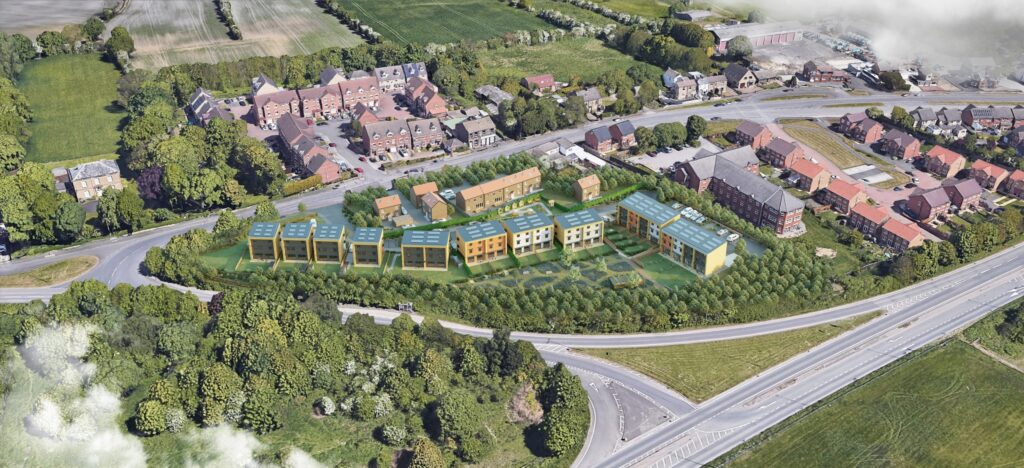
London yellow stock bricks, Staffordshire blue bricks, Manchester red – not just building materials, no. These bricks are pieces of British architectural history.
Many in existence today have provided decades – maybe centuries – of structural support, weathered years of our inclement British climate and even survived wars. Each has an important story to tell.
And now thanks to the work of the Reclaimed Brick Company, each brick is ready for another lifetime of service. Ready for a new chapter in their story.
Reclaimed Brick Company are a family-run business in Sheffield. They’ve been salvaging and supplying reclaimed bricks for years, but they’ve just taken things to another level – they’ve become the first UK supplier of reclaimed bricks to publish a third-party verified Environmental Product Declaration (EPD).
An important step which details how their reclaimed clay bricks reduce embodied carbon by up to an astonishing 85-95% compared to newly manufactured bricks. But it’s more than this too. Reclaimed bricks are just as strong as new bricks, with more story and less costs.
An absolute winner – reclaimed bricks are proving to be a fantastic alternative for both homeowners and professionals.

Please note: This article is written in collaboration with Reclaimed Brick Company. All opinions are my own.
What is an EPD and why does it matter?
An Environmental Product Declaration provides transparent data that covers the full lifecycle of a product – raw materials, manufacturing, transport, use, maintenance and what happens at the end. The data covers everything from carbon emissions and energy use to water consumption and waste generation.
An EPD is prepared under globally recognised standards (EN 15804 and ISO 14025) and must be independently verified. For architects working on BREEAM or LEED certified projects, or anyone trying to meet emissions targets, EPDs provide the verified data needed for Whole Building Life Cycle Assessments.
Findings from Reclaimed Brick Company’s EPD
For every tonne of reclaimed bricks from Reclaimed Brick Company:
- Carbon footprint: 20.4 kg CO₂e per tonne (vs 200+ kg for new bricks)
- Secondary material content: 100% (zero virgin inputs)
- Service life: 150 years (some research suggests 600+ years)
- End-of-life recyclability: 70% can be reused or recycled
- Energy use: Just 138 kWh per tonne for collection, cleaning and sorting
To put into context: A standard house extension using 10,000 reclaimed bricks instead of new ones could save approximately 7.2 tonnes of CO₂ – equivalent to driving a petrol car about 28,000 miles.
For more details, take a look at Reclaimed Brick Company’s full EPD here.
Why reclaimed materials makes sense
Beyond the carbon savings, there are a tonne of benefits that come with using reclaimed bricks:

- No resource extraction – Manufacturing new bricks requires mining clay, disrupting landscapes and ecosystems. Reclaimed bricks skip this entirely by using existing resources.
- No energy-intensive firing – Brick kilns operate at a balmy 1,000-1,200°C. This intense heat requires huge amounts of energy. With reclaimed bricks, this energy investment was made decades ago.
- Waste diversion – In 2024, Reclaimed Brick Company salvaged 1.65+ million bricks and diverted 5,800+ tonnes from landfill.
- Superior quality – Victorian and Georgian bricks were made from 100% natural clay with no additives. Modern bricks often contain cement, ash and sand to cut costs. Old bricks have no perforations or core holes either, making them structurally superior.
- Immediate availability – No waiting for manufacturing lead times. Stock is ready to go.
How the process works
Reclaimed Brick Company sources bricks from demolition projects across the UK. Anywhere from derelict farmhouses to large commercial buildings. Their salvage teams carefully dismantle buildings brick by brick, manually selecting and cleaning each one using hand tools.
Every batch undergoes rigorous quality inspection to make sure they are structurally sound and suitability for reuse. It’s labour-intensive, but it preserves quality and keeps materials at their highest value.

Operating from a 2 acre yard in Sheffield with thousands of tonnes in stock, the Reclaimed Brick Company serve everyone from individual homeowners to national developers. They have a high impressive 4.9/5 rating from over 900 reviews, reflecting their consistently high standards and care.
You can find more information on their services page, plus lots of useful info on their sustainability page. They also have a brick calculator which is very useful if you’re wondering how many you’ll need for your project.
More than bricks
As the name suggests, bricks are RBC’s specialty. However, they salvage and reclaim a full range of other brilliant and beautiful building materials too, including:
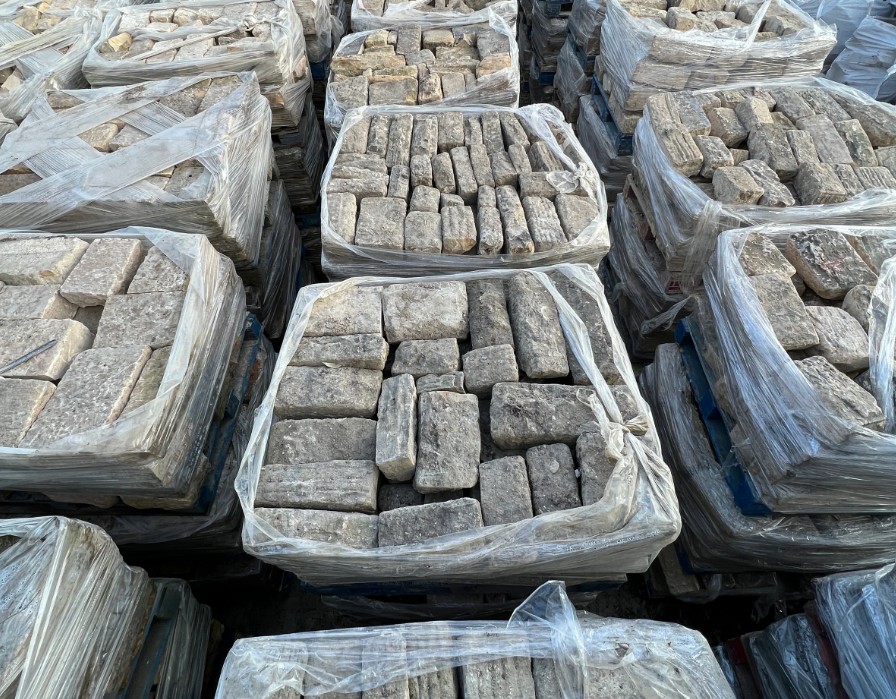
- Paving stones and cobbles – For driveways and pathways
- Building stone – Walling, copings, steps, architectural features
- Roofing – Welsh slate and reclaimed clay tiles
- Timber – Oak beams, scaffold boards, railway sleepers
- Unique salvage – Whiskey barrels, cast iron signs, vintage radiators, millstones
Who should consider reclaimed materials?
There’s no doubt that verified reclaimed materials are a fantastic choice. They come with a whole host of benefits and can be used in a variety of different building situations. They should be considered by:
- Architects and specifiers – Get verified data for BREEAM/LEED projects, emission sensitive projects and conservation work
- Self-builders and renovators – Gain significant carbon savings plus bag fulls of character that new materials can’t match
- Homeowners – Reclaimed bricks can work for extensions, garden projects or restoration work. They can be chosen to match existing brickwork and build more sustainably
- Landscapers – Create driveways, patios and garden features with genuine aged character
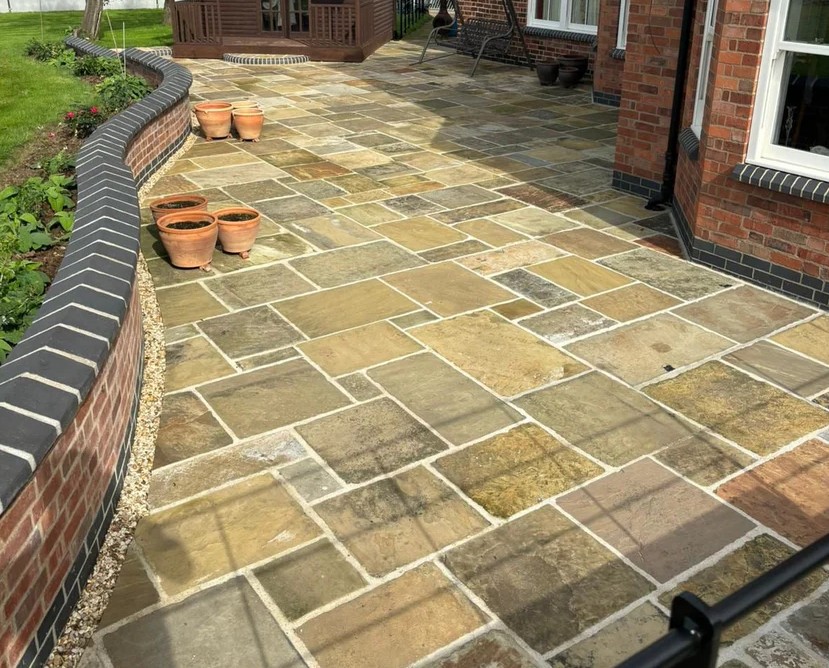
The beauty of reclaimed materials is their versatility – they work as well in contemporary designs as heritage restoration.
Why does all of this matter?
The construction industry accounts for around 39% of global carbon emissions. Embodied carbon in building materials is a significant portion of that. If we’re serious about continuing to lower emissions, we need to rethink how we source materials.
The EPD proves what many suspected: reusing existing materials is one of the most effective ways to reduce construction’s environmental impact. And it’s not slightly better either – carbon savings of 85-95% show reclaimed materials are significantly better.
As regulations around embodied carbon tighten and whole-life assessment becomes standard, verified data will be essential. This EPD sets a benchmark for the salvage industry and gives reclaimed materials the credibility to compete directly with new products on transparent terms.
Final thoughts
Reclaimed Brick Company’s EPD is a UK first that brings much-needed transparency to the salvage sector. The numbers are mightily impressive: 20.4 kg CO₂e per tonne versus 200+ kg for new bricks, 100% secondary material, 150 year service life.
But beyond the data, the benefits of reclaimed bricks stand out for me.
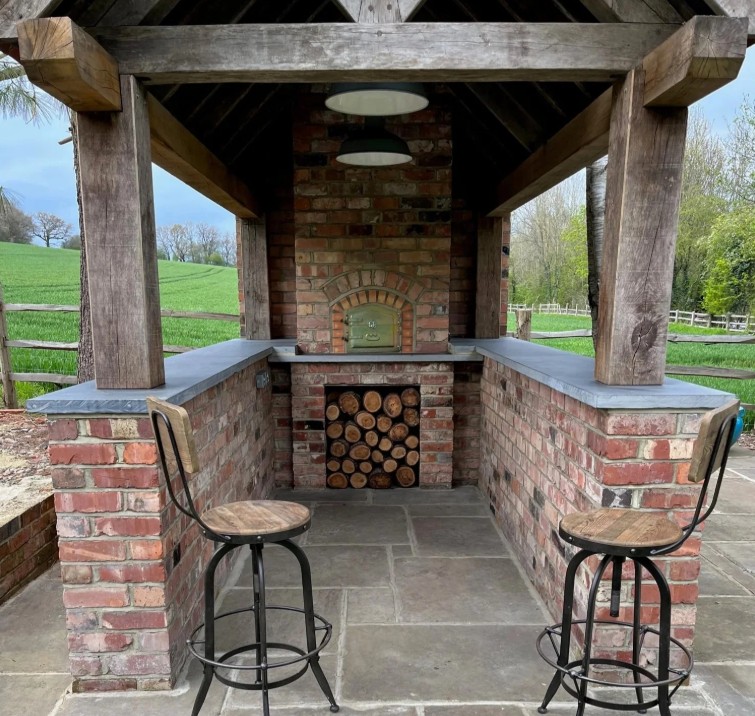
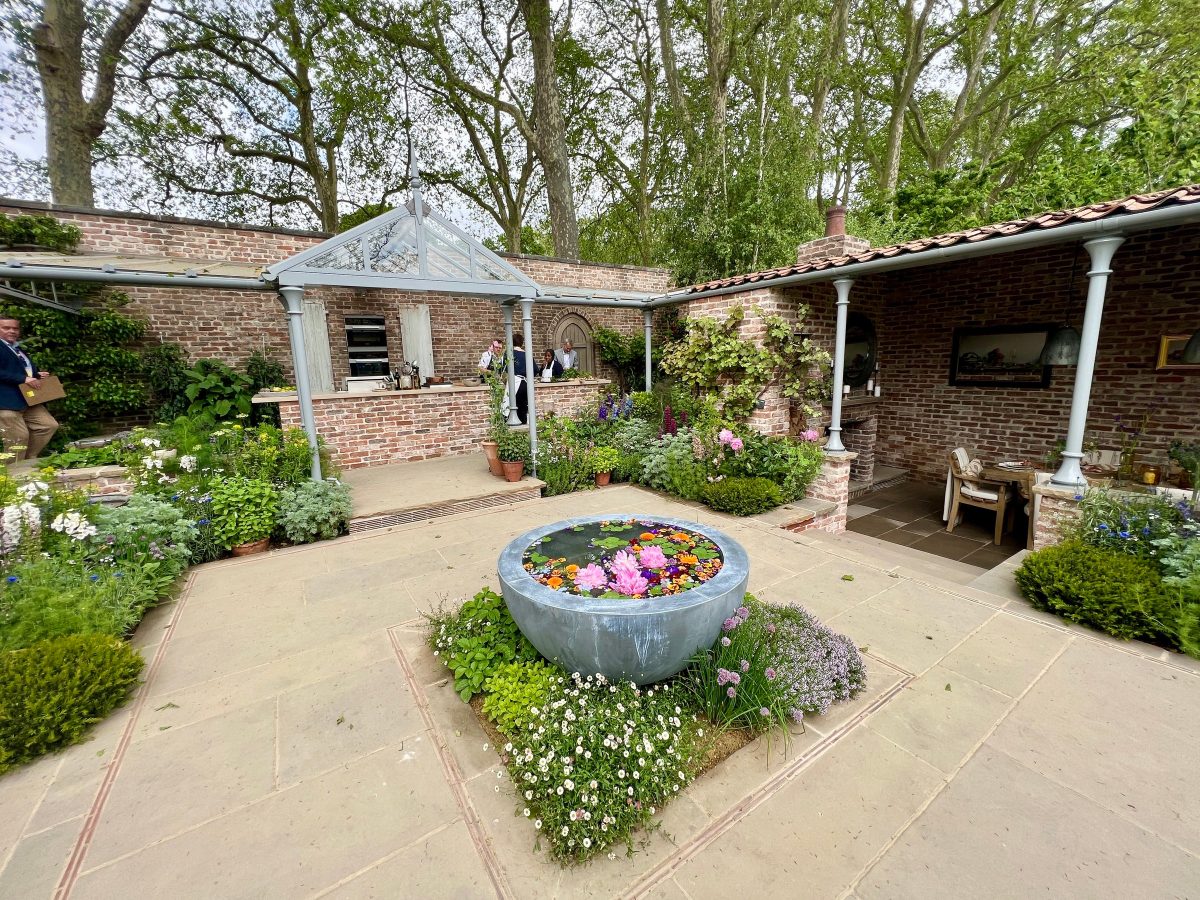
Firstly, I think they look stunning. Just look at the buildings – those weathered textures and colour variations add character you just can’t get with modern bricks. There’s also something satisfying about using materials that have already lived one life and are ready for another. They carry history, character and proven durability.
Whether you’re an architect working on a new passivehaus or green building, or a homeowner planning a garden wall, reclaimed bricks offer a proven way to reduce environmental impact without compromising on quality or character.
Find the full range at Reclaimed Brick Company or download their verified EPD.
This article was written in collaboration with Reclaimed Brick Company. All opinions are my own.
Related reads

All About Northstone: The NW Housebuilder Of The ‘New, New Build’
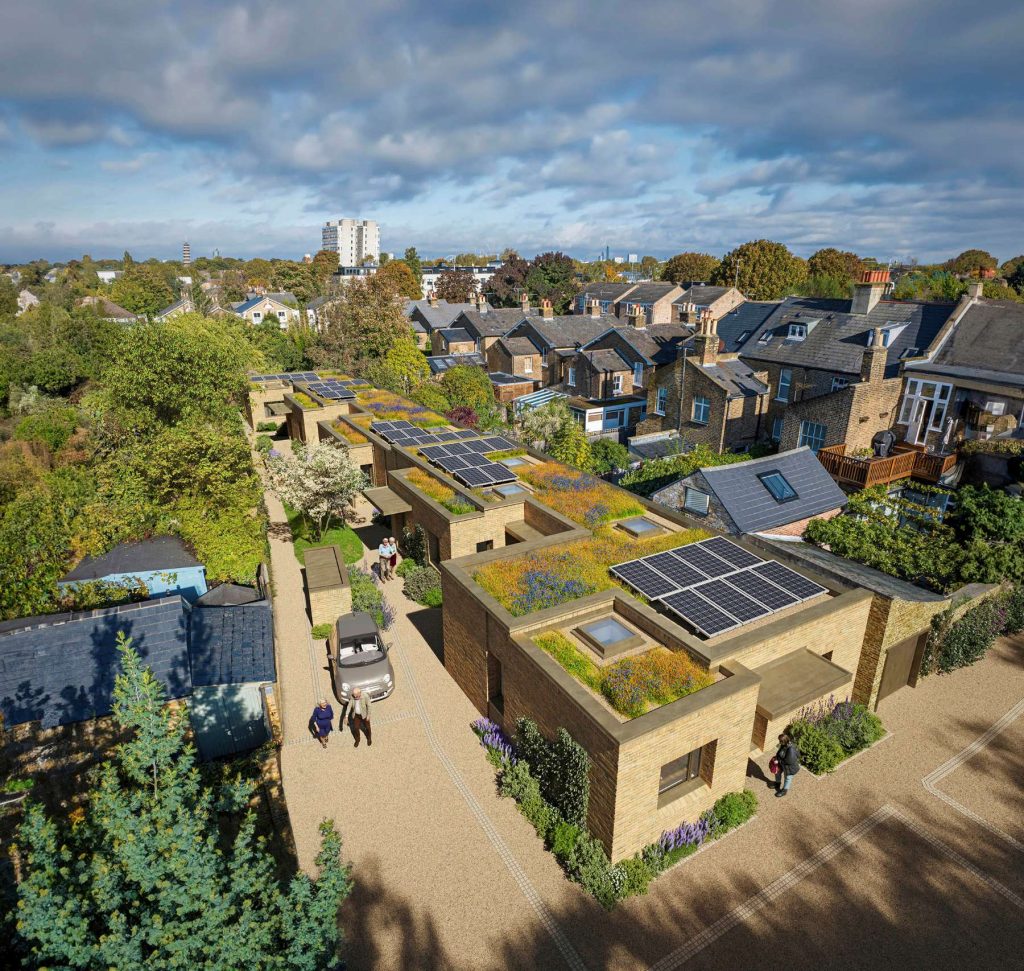
Richmond’s Elizabeth Twining Almshouses Proving Passivhaus Works For Accessible Housing

Coppers Meadow: One Of The Most Eco-Friendly New Build Developments In The UK Now Ready
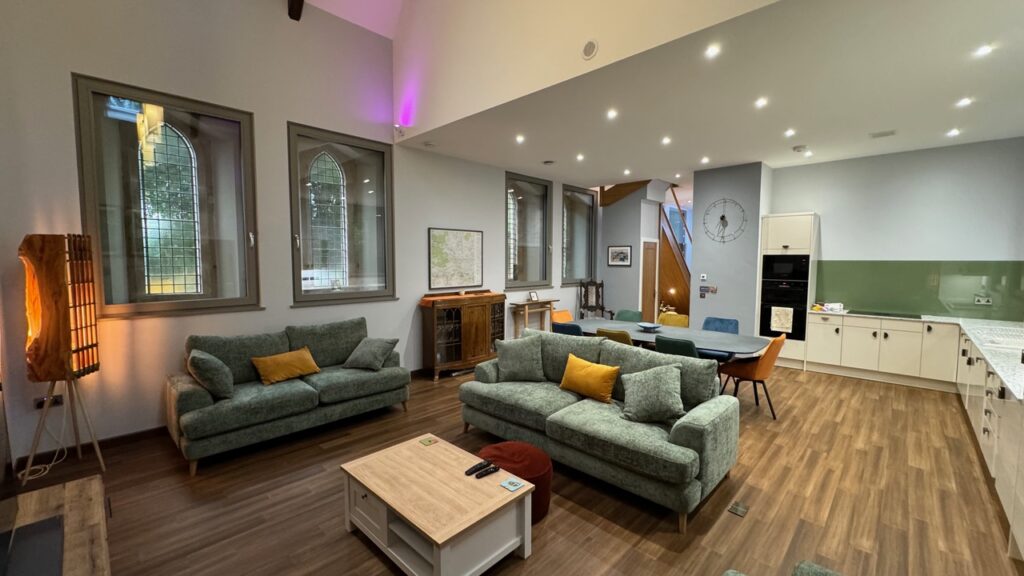
From Victorian Church To World-First Passivhaus Conversion – A Look At Warksburn Old Church