In the heart of Richmond, London, a brilliant project is quietly demonstrating that the highest standards of energy efficiency can go hand in hand with accessible design for elderly residents.
The Elizabeth Twining Almshouses, completed in December 2024, represent a big milestone as some of the UK’s first Passivhaus-certified almshouses specifically designed for residents with mobility needs.
For those that don’t know, an almshouse is a type of low-cost social housing, usually run by a charity and often for older people with limited income.
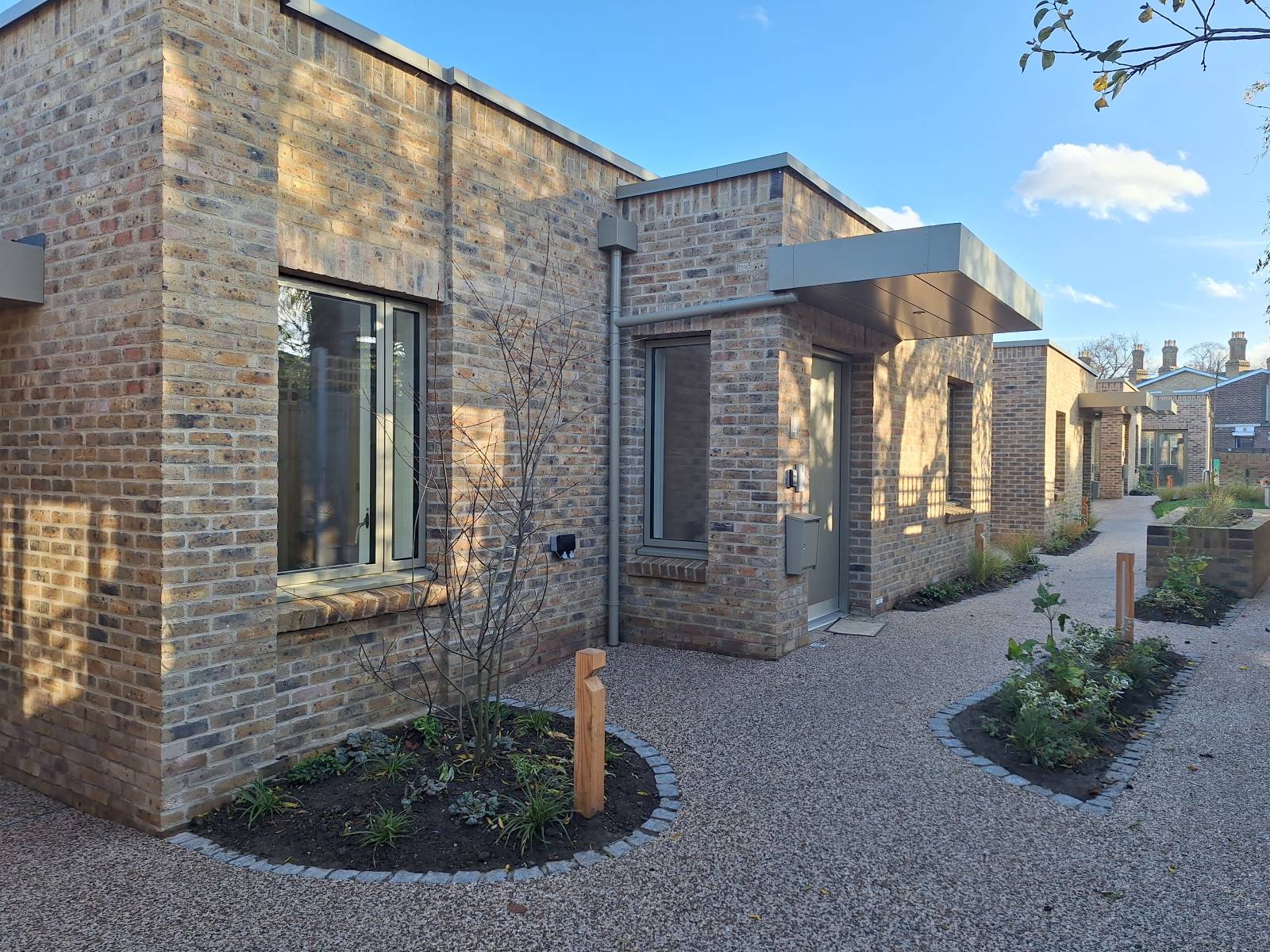
Developed by The Richmond Charities and designed by Clive Chapman Architects, these five purpose-built one-bedroom homes replace existing garages behind properties on St Mary’s Grove for elderly residents. The project achieves Passivhaus Classic certification, whilst meeting accessibility requirements.
The Passivhaus element was certified by Zero Energy Passivhaus who also worked on the excellent Warksburn Old Church project.
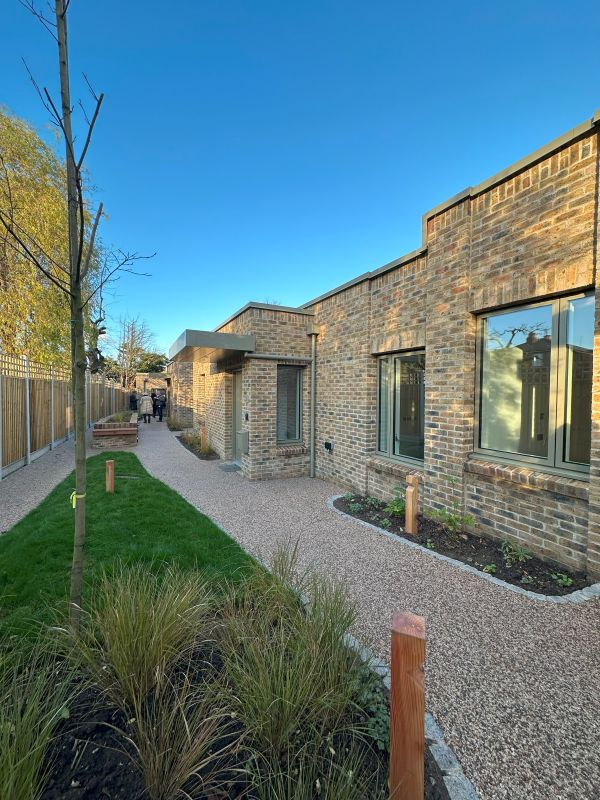
Key Eco Features
The Elizabeth Twining Almshouses showcase exceptional environmental performance, achieving some of the most impressive energy efficiency figures in UK social housing:
- Passivhaus Classic certification achieved in December 2024
- Net-zero carbon operation with 0.0 tonnes annual CO2 production
- EPC rating of 95% (A-rated) with 99% environmental impact rating – read more on heat loss surveys
- Ground source heat pumps providing underfloor heating
- Mechanical ventilation with heat recovery for optimal air quality
- Solar panels on green roofs with individual battery storage for each home
- Expected annual energy bills of just £123 for heating, hot water and lighting
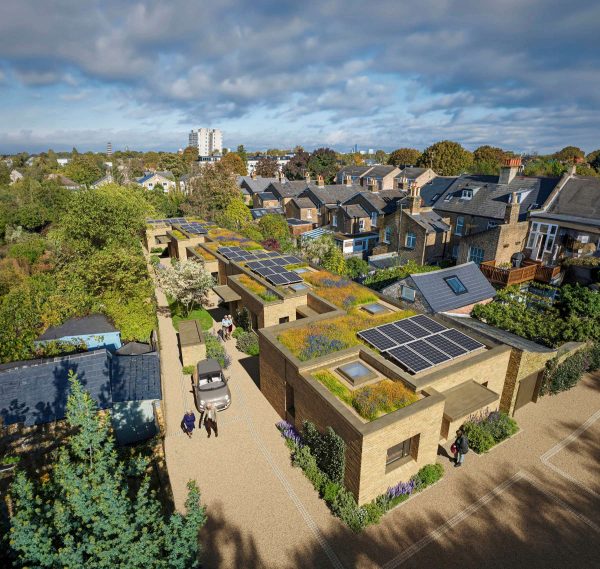
General Features of The Elizabeth Twining Almshouses
These single-storey almshouses put comfort and accessibility for their elderly residents at the forefront – as they should do!
The development comprises five one-bedroom homes designed specifically for over-65s accommodation, with four fully wheelchair-accessible dwellings built to Part M4(3) standards plus one adaptable home meeting Part M4(2) requirements.
The single-storey design minimises visual impact whilst maximising accessibility for residents who are unable to walk up stairs. All windows face toward shared communal landscaped gardens to create a sense of community but also privacy. Each home benefits from its own private patio courtyard to provide personal outdoor space.
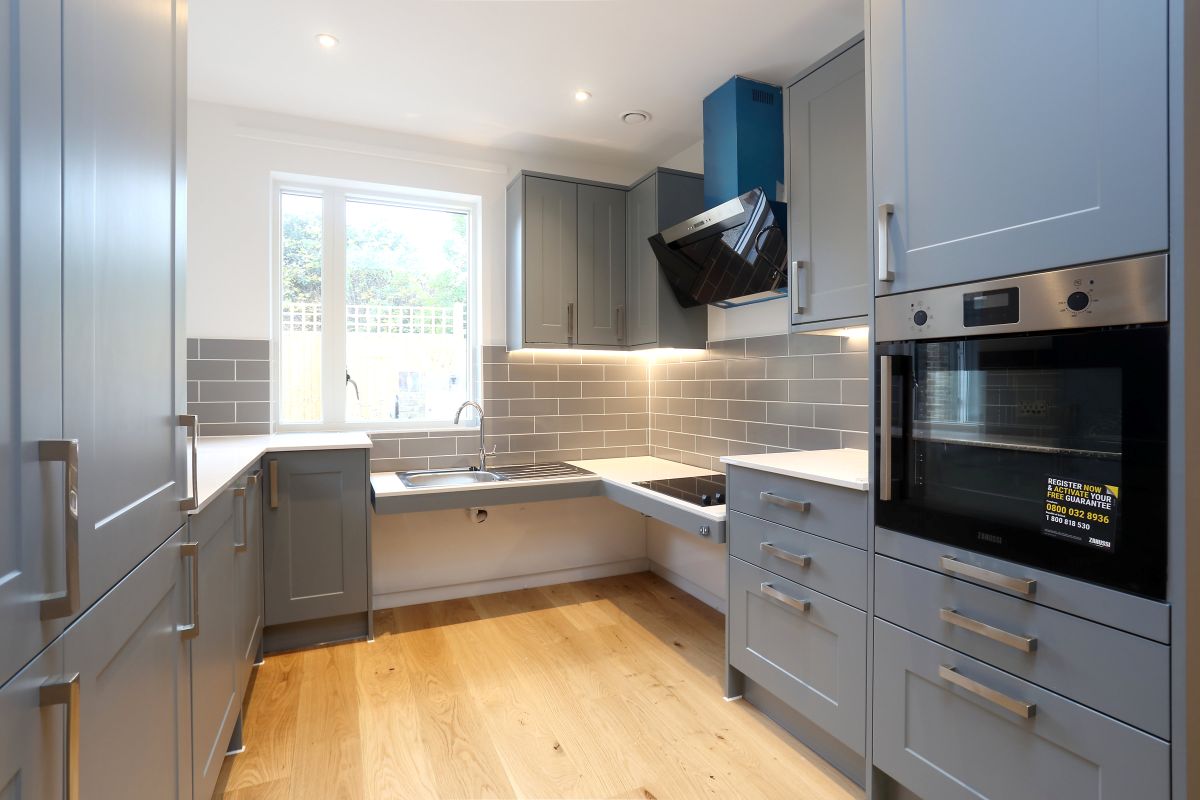
What Makes These Homes Special?
“We have worked with Clive Chapman on several Passivhaus projects. Their team is very knowledgeable in PHPP and can produce beautiful, efficient, low-energy and Passivhaus buildings.”
Jesus Menendez, Director, Zero Energy Passivhaus (Passivhaus Certifier)
The Elizabeth Twining Almshouses prove that sustainable design and Passivhaus standards can be successfully applied to accessible housing without any compromise at all.
This is particularly significant given the challenge of achieving such high performance whilst meeting the specific needs of elderly residents and wheelchair users.
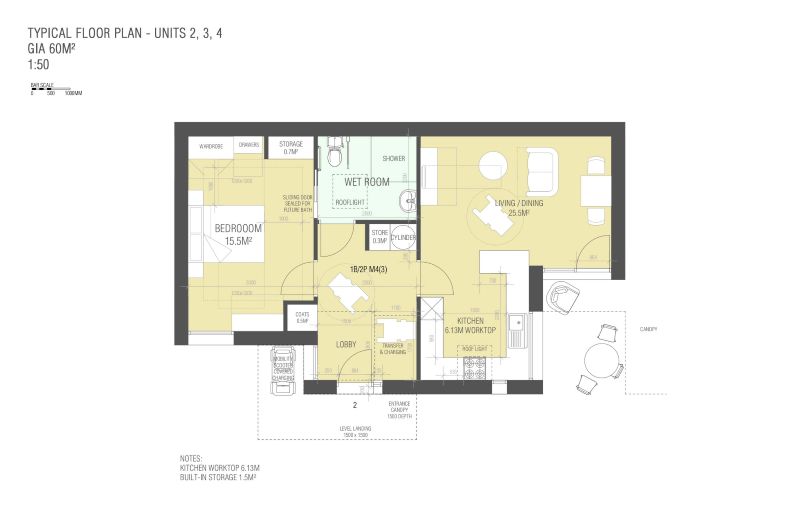
The project’s net-zero carbon operation means residents will enjoy exceptional comfort with minimal environmental impact. With annual energy bills estimated at just £123 for heating, hot water and lighting, these homes provide crucial financial security for residents with limited means.
The 677 kWh of estimated annual electricity exported to the grid means these homes actually give back more energy than they consume, making them energy-positive dwellings.
For More Information
For more information about The Richmond Charities and their almshouses, visit richmondcharities.org.uk.
You can also view the project details in the Passive House Database (Project ID: 7740).
Read more…
Beautiful, Full of Character and Now Verified Low Carbon – Why Reclaimed Bricks Are A Winner

All About Northstone: The NW Housebuilder Of The ‘New, New Build’

Coppers Meadow: One Of The Most Eco-Friendly New Build Developments In The UK Now Ready
From Victorian Church To World-First Passivhaus Conversion – A Look At Warksburn Old Church