Residential homes in the UK contribute around 17% of the UK’s greenhouse gas emissions. So, in the push towards low-carbon living, energy-efficient homes will be no longer a luxury, they’ll become a necessity.
Purehaus, an innovative homebuilder based in Yorkshire, is taking this shift seriously. Their latest Passivhaus project is Spring Meadow, a 20 home development in Drighlington, West Yorkshire.
I recently visited the site during its construction phase, where I had the opportunity to look around the show home and speak with co-founder Kevin Pratt, who, alongside Dave Bradley-Bowles, founded Purehaus in 2018.
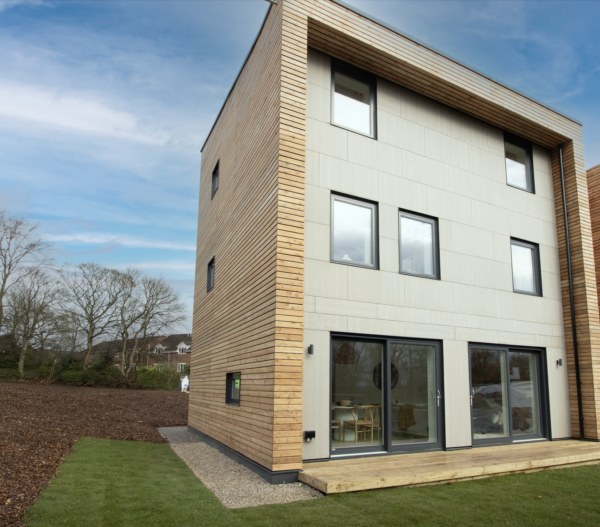
Kevin’s journey into sustainable homebuilding began after retrofitting his own home, and now he’s committed to building the UK’s most energy-efficient homes – first with smaller scale development, but with plans to have a much bigger impact.
With the 20 Passivhaus-certified homes in development at Spring Meadow – and more projects in the pipeline – Purehaus is on a mission to prove that zero-carbon living is achievable.
Who Are Purehaus?
Founded by Kevin Pratt and Dave Bradley-Bowles, Purehaus isn’t your average housebuilder outfit. Their goal is to build homes that are truly zero carbon, going beyond typical ‘eco’ credentials to achieve Passivhaus certification.
Their approach focuses on:
✅ Minimising embodied carbon through sustainable building methods
✅ Reducing operational energy use with Passivhaus principles
✅ Future-proofing homes with energy independence
✅ Building homes that last – minimum 60-year design life

Some builders are developing homes to looser ‘passivhaus prinicples’, which sounds good but may lead to performance and cost issues. Certified Passivhaus standards use the Passivhaus Planning Package (PHPP) for modelling to make sure the integrated design, quality and performance are all up to the highest levels.
The Purehaus homes are fully certified. Their Spring Meadow development will consist of 20 three and four-bedroom homes that will be fully Passivhaus certified by Jesus Menendez and his team at ZE Passivhaus. This makes sure the homes will meet the highest levels of energy efficiency that you can.
5 core Passivhaus Principles
1. Superior Insulation
Thicker-than-standard insulation drastically reduces heat loss, keeping homes warm in winter and cool in summer. You want a continuous, high performance thermal envelope surrounding the home.
2. Zero Thermal Bridging
Meticulous design eliminates weak spots where heat could escape, maintaining consistent indoor temperatures.
3. Airtight Construction
Passivhaus homes are sealed 10x tighter than UK building regulations require, stopping draughts and unnecessary heat loss.
4. Mechanical Ventilation with Heat Recovery (MVHR)
This system filters fresh air into the home whilst capturing and reusing over 90% of heat that would otherwise be lost. The result? Better indoor air quality with almost no heating required.
5. High-Performance Glazing & Solar considerations
Triple-glazed windows provide better insulation and soundproofing, keeping the home quiet, comfortable and energy-efficient. Window placement should also be modelled to avoid excessive solar gains in the summer with appropriate shading techniques considered.

Key Features of a Purehaus home
Each Purehaus home at Spring Meadow is designed to provide maximum comfort and energy efficiency with minimal environmental impact. By incorporating cutting-edge technology and sustainable materials, these homes go beyond traditional energy-saving measures. Here’s what makes them stand out:
1. Carbon-Negative Timber Frame Construction
Rather than relying on carbon-heavy brick and concrete, Purehaus uses timber-framed construction, which stores more carbon than it emits during production. This significantly lowers the embodied carbon of the home, making it a true zero-carbon build.
2. Triple-Glazed Windows for Maximum Insulation
Unlike standard double-glazed windows, the triple-glazed units in Purehaus homes:
- Block out external noise for a quieter home environment
- Reduce heat loss by 50% compared to high-end double glazing
- Retain passive solar heat in winter whilst preventing overheating in summer
3. Solar PV System & Battery Storage
Each home comes with a 4kW solar panel system, allowing homeowners to generate their own electricity. The 9kWh battery storage makes sure that any excess energy isn’t wasted. Benefits include:
- Stored solar power for use at night or during peak times
- Less reliance on the National Grid, reducing energy bills
- Higher energy self-sufficiency
Take a look at our list of solar panel installers and battery storage installers who can help you out, as well as this post on solar panel costs.
4. Thermopod Water Heating System
Instead of using a traditional boiler, Purehaus homes use a Thermopod mini air-source heat pump for hot water.
This system:
- Extracts ambient heat from the air to warm water efficiently
- Uses far less energy than standard electric or gas water heaters
- Gives a consistent supply of hot water whilst reducing carbon emissions
5. Ultra-Low Energy Heating
Amazingly, Purehaus homes have just 400W of additional ‘top up’ electric heating for any extra cold periods – this is the equivalent of a few LED lightbulbs. That’s all that’s needed with a Passivhaus.
This is achieved through exceptional levels of insulation, airtight envelop and the MVHR system that circulates and reuses heat.
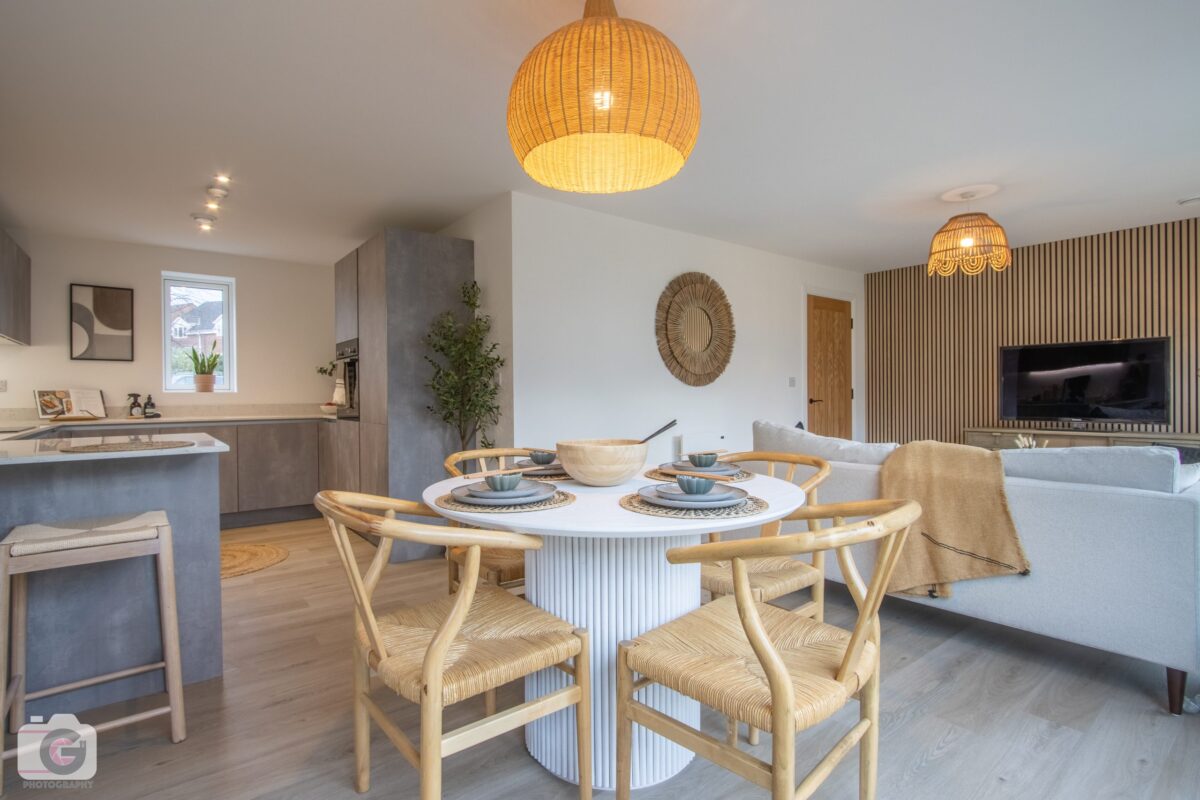
6. Mechanical Ventilation with Heat Recovery (MVHR) System
A key feature of Passivhaus homes is an MVHR system, which makes sure air is constantly refreshed in the most efficient manner to maintain good indoor temperatures.
MVHR systems provide:
✅ A steady flow of clean, filtered air (great for allergy sufferers)
✅ Heat retention of over 90% to reduce energy use
✅ A consistent, healthy indoor climate with no damp or condensation
7. Electric Vehicle Charging Point
Each home comes with a built-in EV charger, making it future-proof for electric car owners. As the UK moves towards net-zero transport, having an EV-ready home is becoming an essential feature for homeowners.
Did you know the cost for second hand electric cars has dropped dramatically in the past few years? Pair this with one of the best home EV chargers and a favourable EV tariff, and you’ll be on to a winner.
8. EPC A-Rated
Every Purehaus home achieves the highest possible energy efficiency rating (EPC A). This means lower energy bills compared to standard UK homes, massively reduced carbon emissions and a future-proof design.
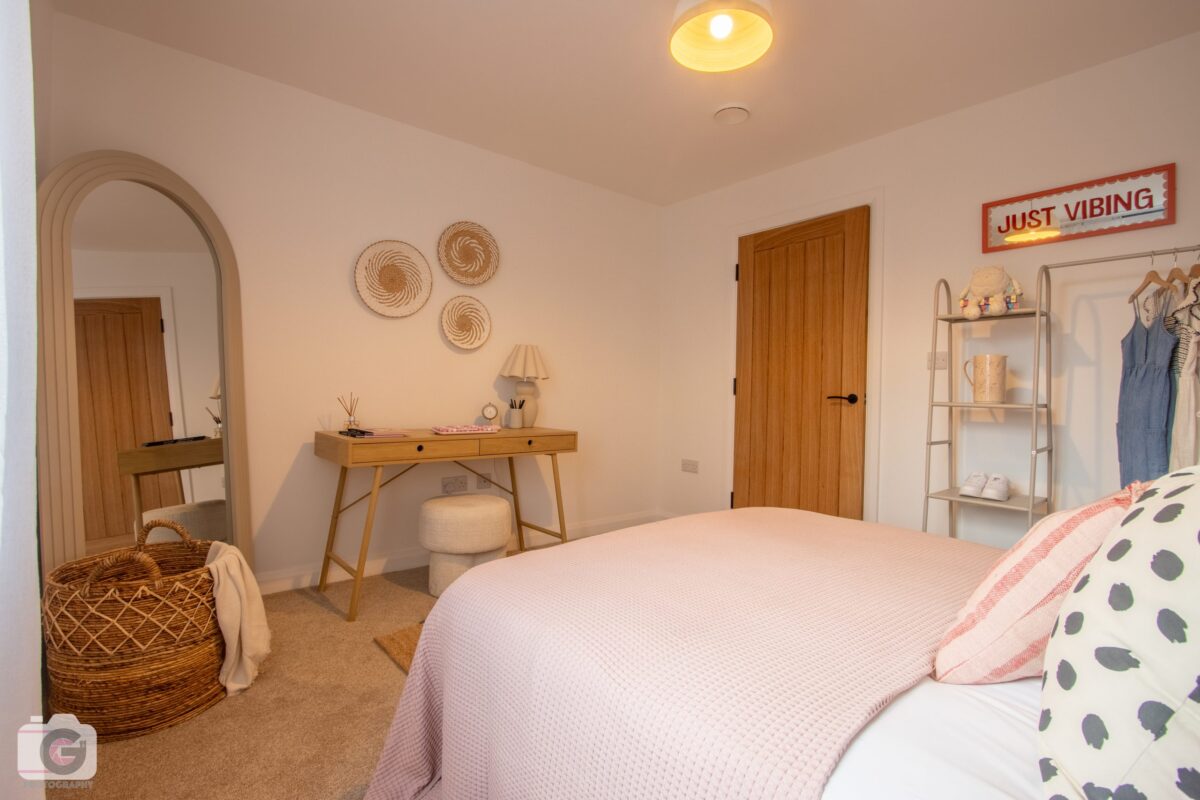
9. Indoor-Outdoor Living & Natural Light Design
Passive solar design isn’t just about energy savings, it’s also about creating bright, open and liveable spaces.
Purehaus homes maximise natural daylight with large, well-positioned triple-glazed windows, a strong indoor-outdoor connectivity and strategically placed shading to prevent overheating in summer.
Why Do These features Matter for Homeowners?
- Energy bill savings – Passive House design reduces heating and cooling costs by up to 90%. This can save the homeowner on average £1,500-£2,000 on their annual energy bills.
- Comfortable year-round living – Homes maintain a consistent indoor temperature of 20-22°C all year round with minimal energy use. No cold spots, no overheating, just nice, comfortable living.
- Better internal air quality – Continuous filtered air circulation removes pollutants and allergens, creating a healthier indoor environment.
- Carbon reduction – Buildings account for around 17% of the UK’s emissions. Passivhaus homes cut carbon output by 60-80% compared to traditional homes.
- Energy security – With built-in solar, battery storage and ultra-low energy demand, homeowners are less reliant on fluctuating energy prices.
So, lower bills, lower carbon and a healthier home – I’m not sure what’s not to love!
Could Passivhaus Become the Standard?
There will be increasing pressure on developers to build homes that are not just energy-efficient, but truly sustainable.
There’s already legislation around Biodiversity Net Gain on developments and we’re awaiting movement on the Future Homes Standard regulations soon.
Purehaus co-founder Kevin believes that individual energy security and cost associations will drive demand. Currently we’re in the ‘early adopter’ phase, but as energy costs continue to rise, homeowners will actively seek out ultra-efficient homes to lower their monthly out-goings.
Purehaus is ahead of the curve and is set out to prove that net-zero homes are possible today and not just in the distant future.
Related reads
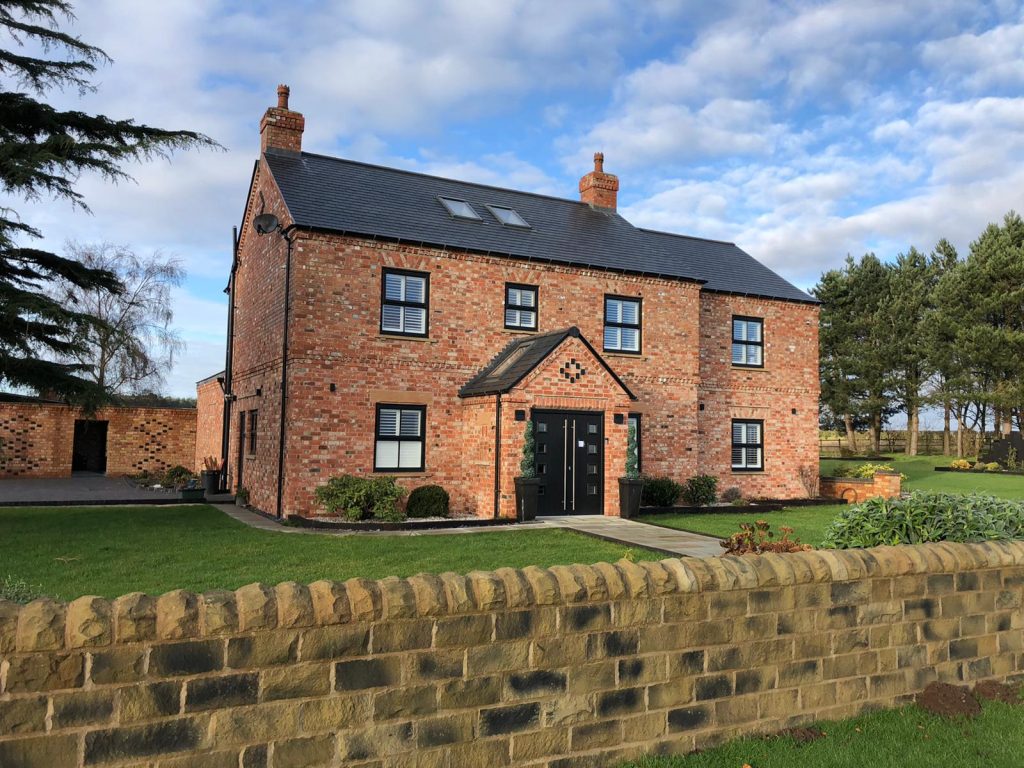
Beautiful, Full of Character and Now Verified Low Carbon – Why Reclaimed Bricks Are A Winner

All About Northstone: The NW Housebuilder Of The ‘New, New Build’
Richmond’s Elizabeth Twining Almshouses Proving Passivhaus Works For Accessible Housing

How The Biophilic Design Trend Is Helping To Create More Nature-Inspired Homes
Striking Net Zero Single-Storey Homes On The Market In Suffolk

Take A Look At This Amazing A-Rated Self-Build Eco Home For Sale In East Sussex