Heat pumps are the future of sustainable home heating. Pair them up with solar panels and excellent levels of insulation and you’re be on to a low carbon winner.
Air source heat pumps don’t just offer a low-carbon alternative to fossil fuel powered traditional heating methods. They’re also highly efficient and actually generate more energy than they consume.
Heat pumps aren’t perfect though. They do come with a few cons, which means they’re not an alternative for everyone. Not for the time being at least.
This article will explore the various pros and cons of air source heat pumps, providing you with a good, balanced overview if you’re considering this form of heating solution for your home.
Quick Intro to Air Source Heat Pumps
Not too sure exactly what air source heat pumps (ASHPs) are? Let me quickly explain.
Air source heat pumps are a specific type of heat pump. The other main type is a ground source heat pump.
There are two types of ASHP: air-to-air and air-to-water.
Both of these ASHPs harness the latent heat in the air outside, warm it up via an active heat exchanger and circulate the warmed air (or water) around your home. Even when it’s very cold outside, warm air can be extracted. A very clever bit of technology.
Air-to-water heat pumps are suitable for homes with ‘wet’ central heating systems, using radiators and/or underfloor heating. These are the most popular type of air source heat pumps. Air-to-water ASHPs can produce hot water for taps, showers and baths as well. On the other hand, air-to-air heat pumps circulate warm air within the home.
Our guide to air source heat pumps outlines all the main areas where you can read up on more information.
For now, let’s get into the pros and cons of ASHPs.
Overview: Pros and Cons of Air Source Heat Pumps
Pros
Cons
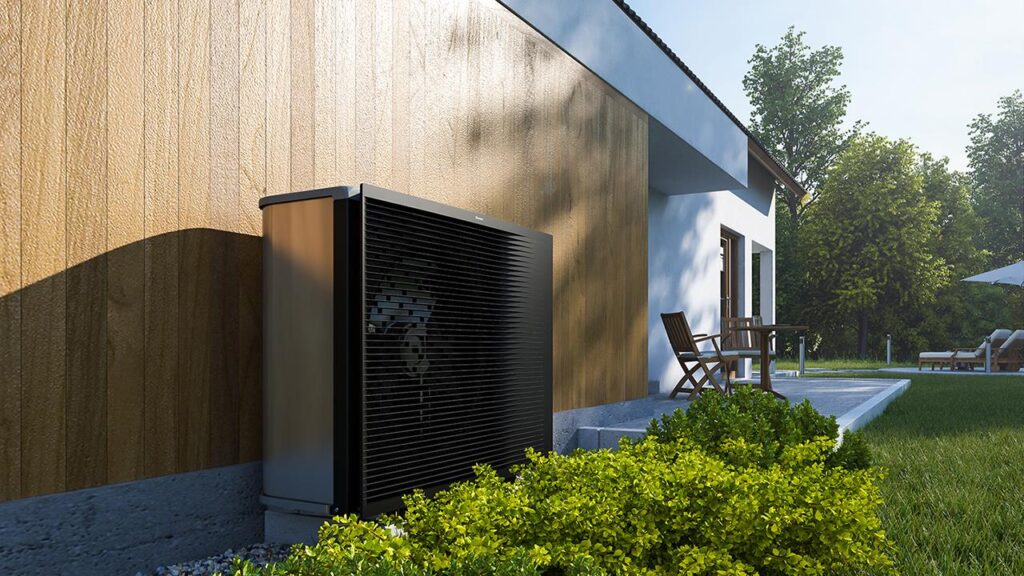
Advantages of Air Source Heat Pumps
Let’s take a look at the main advantages that come with air source heat pumps.
Energy Efficient
Air source heat pumps are highly energy efficient. They generate more energy than they consume. The most energy efficient models can operate at 300-400%.
In real terms, the heat pump would generate around 3-4kW of energy for every 1kW that goes into it via electricity. This efficiency is measured by something called the Coefficient of Performance (COP), or the Seasonal Coefficient of Performance (SCOP), which measures efficiency more accurately over a longer term. Read more on what is SCOP.
Their efficiency depends on factors such as system design, system sizing, heat loss and the weather. You can take a look here at what size heat pump you need and use our free calculator.
Low Carbon Footprint
ASHPs have a much lower carbon footprint compared to traditional heating systems. This makes them a very appealing option for environmentally-conscious homeowners and those wanting to create a greener home.
An air source heat pump system uses renewable energy sources, such as air and electricity to generate heat.
A caveat here is that electricity from the mains grid may still be powered in part by fossil fuels. However, the national grid has been greening up over the years. Low carbon sources provided 58% of the electricity used in 2024 compared to 29% from fossil fuels (mainly gas) – a significant improvement from previous years.
Money Saving
Investing in an ASHP can help decrease energy bills over time. Current data shows you can save between £260-£580 annually when compared to older heating systems, with the greatest savings seen when replacing electric storage heaters, oil or LPG systems.
Whilst electricity costs remain higher than gas per unit, specialised heat pump tariffs from providers like Octopus Energy and OVO can significantly reduce running costs. These tariffs offer lower rates during times when heat pumps usually operate, bringing operating costs more in line with or even below those of modern gas boilers.
It’s important to make sure you get an accurate system sizing and energy efficiency to help save you money. The payback period for a heat pump system tends to be between 4.5-10 years, depending on your previous heating system and energy use patterns.
Low Maintenance and Long Lifespan
Air source heat pumps have few moving parts (less than a traditional boiler) and require minimal maintenance. Annual servicing costs between £100-£300, similar to gas boiler servicing but with fewer replaceable parts.
The lifespan of an ASHP can be up to 20-25 years if maintained properly. This longevity makes them a long-term investment, outlasting conventional gas boilers by almost double! This means despite higher upfront costs, the lifetime value of a heat pump system is often better.
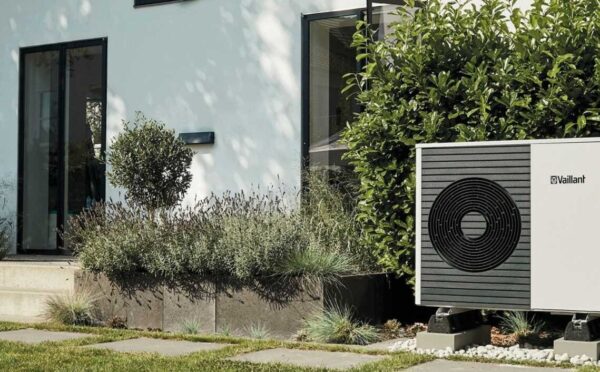
Increased Property Value
Installing an air source heat pump can increase your property value by between 3-7% according to recent studies. As energy efficiency becomes increasingly important to buyers, homes with renewable heating systems command premium prices.
Additionally, properties with heat pumps typically achieve better Energy Performance Certificate (EPC) ratings, which can further boost property value and make them more marketable in today’s energy-conscious market.
Solar Panel Pairing
ASHPs can be integrated with solar panels to further enhance their energy efficiency and sustainability.
By supplementing an ASHP with solar energy, homeowners can leverage clean, renewable power while reducing energy consumption and costs. This is a win-win. No more pesky fossil-fuel powered electricity coming from the grid. Recent data shows this combination can reduce running costs by up to 70% during sunny periods.
If you’re interested in solar, check out some of these UK solar installers on the Green Business Hub.
Space Heating and Hot Water
Air source heat pumps can provide versatile heating solutions. This includes space heating and hot water.
An air-to-water heat pump will transfer heat from the outside air and pass it across to water in your system. This will then be used to heat rooms through radiators or underfloor heating systems. Additionally, the systems can heat water stored in a hot water cylinder for taps, showers and baths.
It’s worth noting that air-to-air systems don’t provide any hot water functionality.
UK Grants Available
The UK government offers grants to support homeowners in upgrading their boiler systems to more efficient and environmentally-friendly options. This includes air source heat pumps.
The Boiler Upgrade Scheme now provides £7,500 toward heat pump installation (increased from the previous £5,000), making them much more affordable. With this grant, installation costs can be reduced to as little as £2,500-£5,000 for many homes.
Qualified applicants can benefit from financial assistance, making the switch to ASHPs even more accessible. You can learn more about the Boiler Upgrade Scheme on the government website.
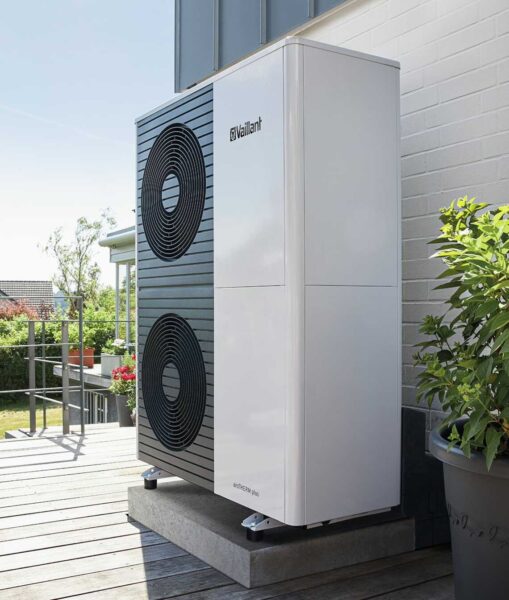
Disadvantages of Air Source Heat Pumps
Now let’s look at the disadvantages of air source heat pumps.
Installation Costs
One of the significant disadvantages of air source heat pumps is the higher initial cost of installation. The average cost for an air-to-water heat pump system typically ranges between £10,000 and £12,500 before grants.
However, the costs are coming down. There’s even a bit of an installation price war going on between the likes of Octopus Energy and British Gas. This means prices start from £3,000 (which includes the government’s £7,500 grant). I recommend Octopus Energy for their much better environmental record.
When comparing installation costs, it’s important to consider the complete system rather than just the unit itself. Always get multiple quotes from reputable heat pump installers to make sure you’re getting competitive pricing.
Extra Upgrades
Air source heat pumps often require additional upgrades to a home’s insulation and heating system. This is because well-insulated and airtight homes maximise the heat pump’s efficiency.
ASHPs generally require larger radiators because of the lower overall heat supply and water temperatures (typically 35-55°C compared to 60-80°C for gas boilers). This isn’t ‘low’ but is lower than a gas-fired boiler. It’s not always necessary to upgrade your current radiators, but it’s a consideration that needs to be taken into account.
Common additional costs include:
- Radiator upgrades – £500-£5,000
- Insulation improvements – £1,000-£5,000
- Hot water cylinder – £1,000-£1,500
- Smart controls – £200-£500
The installation of underfloor heating systems will also help to distribute heat efficiently. Of course, this will add to the overall expense. As they say, if something’s worth doing, it’s worth doing properly.
Noise
Air source heat pumps can generate some noise from their outdoor units during operation. Older units produced around 40-60 decibels (comparable to a refrigerator or moderate rainfall), but modern units are getting quieter and quieter.
For reference, newer models produce around 35-45 decibels at a distance of one meter, which is barely noticeable in most environments. For comparison, normal conversation is about 60 decibels.
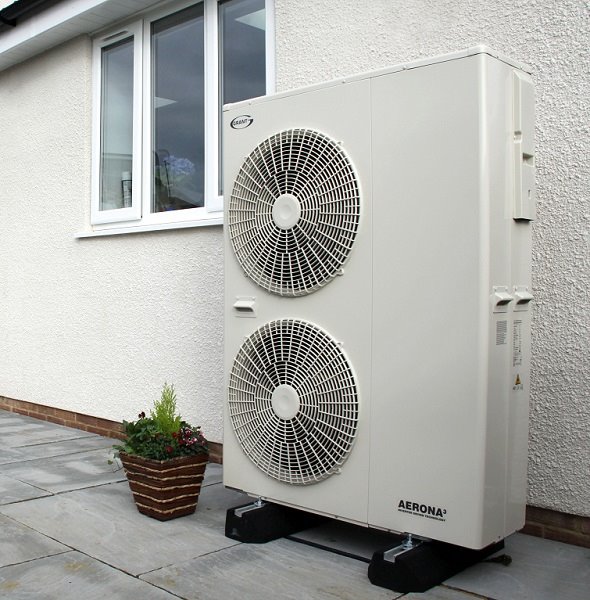
For me, the noise of an ASHP isn’t a big concern at all. Modern units are getting quieter all the time. For example, the Grant Aerona³ R32 air source heat pump is Quiet Mark certified, and models from Daikin and Mitsubishi have noise-reduction technology that makes them suitable even for noise-sensitive environments.
Lower Efficiency When Temperatures Are Cold
The efficiency of air source heat pumps tends to decrease during colder weather conditions. They’re still efficient but not as efficient, meaning their CoP will drop. This will lead to increased energy consumption.
For example, a heat pump with a CoP of 4.0 at 7°C outside temperature might drop to 2.5-3.0 at -5°C. However, this is still significantly more efficient than other heating systems.
That said, an air source heat pump will still work when the air temperature outside is sub-zero. Even down to -20°C. Heat pumps are very popular in Scandinavia where it’s much colder on average than in the UK, showing that this isn’t that much of a problem.
Modern heat pumps are increasingly designed for cold climate operation, with some models maintaining good efficiency even in very low temperatures.
Not Suitable for All Properties
Air source heat pumps may not be suitable for every home or property.
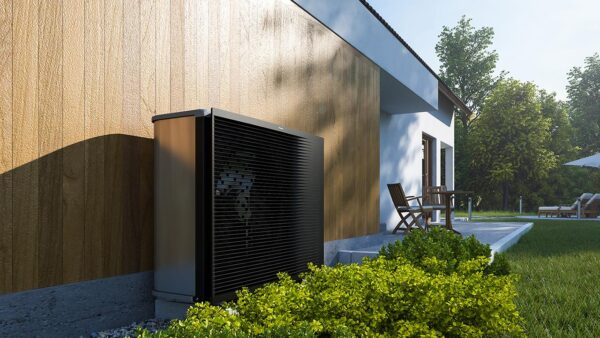
Homes with limited outdoor space, such as flats and apartments, or those situated in areas where planning restrictions apply may face difficulty in installing a heat pump. If you’re wondering about size, you can check out the common air source heat pump dimensions here.
Properties that are particularly suitable for heat pumps include:
- Detached or semi-detached houses with outdoor space
- Well-insulated properties
- Homes with underfloor heating or larger radiators
- New builds with modern insulation standards
Properties that may face challenges include:
- Listed buildings with restrictions on external modifications
- Homes with very poor insulation that cannot be improved
- Properties with no suitable external location for the unit
- Very small properties where indoor components would take up too much space
Furthermore, the heating distribution system of some older homes may not be compatible with the lower temperature water output of an air source heat pump. This makes retrofitting a challenge.
Are Air Source Heat Pumps Worth It?
Air source heat pumps offer significant environmental benefits and long-term cost savings, particularly with the current £7,500 government grant. Whilst they require a higher initial investment and potentially some home upgrades, their efficiency, longevity and low carbon footprint make them an excellent choice for many UK homeowners. Read our full post on are heat pumps worth it.
The key to success with heat pumps is proper sizing, professional installation and making sure your home is suitably insulated. If you’re considering a heat pump, start with a professional heat loss survey and consult with MCS-certified installers who can provide personalised advice for your property.
With rising energy costs and increasing focus on reducing carbon emissions, heat pumps represent not just an environmentally responsible choice, but increasingly a financially savvy one too.