Top Takeaways
>> Retrofitting is the idea of upgrading homes, improving energy efficiency and reducing carbon emissions
>> It involves upgrading materials, adding new products and technologies
>> Only 15% of UK homes built after 1990, meaning millions need upgrading
If the UK is going to hit its 2050 net zero goals, large swathes of the current housing stock will need to be upgraded.
With only 15% of UK homes built after 1990, our older housing stock performs inefficiently and has poor insulation compared to the rest of Europe.
Upgrading, or retrofitting, homes to improve energy efficiency and reduce carbon footprints, is not a small job. It’s thought around 29 million homes need retrofitting in the UK. That’s just over one million homes a year for the next 30 years!
It’s a huge ask, showing the scale of the task at hand but also highlighting the importance of retrofitting for our sustainability efforts.
What is retrofitting?
Retrofitting involves upgrading existing buildings to improve energy efficiency and reduce carbon emissions. It’s a process of modernising and creating more sustainable homes within the UK’s housing stock to meet net zero targets.
Retrofitting can involve the introduction of new technologies, products and materials to make these improvements.
For older homes, retrofitting involves the introduction of new materials, products and technologies into an existing building to reduce its energy consumption. It takes into account a range of measures to improve a property’s performance and sustainability, including:
- Insulation upgrades (walls, roof, floors)
- Double or triple glazing installation
- Draught-proofing
- Energy-efficient heating systems (radiators, heating panels, underfloor heating)
- Smart energy controls
- Renewable energy technologies (e.g. solar panels, battery storage)
The aim of these retrofit improvements is to minimise heat loss, optimise energy use and reduce carbon emissions. And for the government, it’s reducing carbon emissions that are at the core.
It’s thought that the running of buildings accounts for around 15% of UK carbon emissions, with a sizeable portion of that coming from our homes. As stated in the decarbonising heat in homes report, “The UK will not hit its net zero target if it does not decarbonise residential heating.”
More than just net zero targets
For homeowners though, everyday energy use and costs are usually more pressing. Yes, both you and I want to reduce our carbon emissions, but it also has to work financially.
There are a number of case studies coming to light to show that a good retrofit project does reduce both carbon emissions and costs.
For example, this retrofit project in London, which involved upgrading external wall and cavity wall insulation, adding solar PV panels, mechanical ventilation and heat recovery, triple glazed windows and doors, as well as an air source heat pump, have reduced energy bills by around 50%, created a more comfortable internal environment and improved air quality.

The home pictured above in North Somerset was retrofitted with solar panels, a battery, heat pump, new radiators, a smart hot water cylinder and an EV charger. The works were done by Retrofit West and cost around £24,000. Check out the Green Business Hub for a list of renewable energy installers and businesses.
With this set up, they used a total of 2,353kWh of electricity across the year, but generated 5,303kWh from their solar panels. Their grid usage was minimal, costing them less than 33p a day on average. You can read more about the case study here.
In the governments retrofit for the future study, energy and carbon reductions were as much as 80%.
Types of retrofit measures
So, what are the most important retrofit measures to upgrade existing homes?
First of all, every house is different. This is particularly true of older properties. It means that different retrofit measures may be required based on its specific characteristics and current condition.
Here are the most important areas that need to be considered.
- Low carbon heating – Electrification of heating systems is a key retrofit measure. Central to this will be heat pumps (either air source or ground source). Other measures such as electric radiators, infrared heating panels and heated skirting boards may also be used.
- Insulation – Insulation is a big one and particularly important for our poorly-insulated UK homes, which are often too cold in the winter and too hot in the summer. There are a number of types of insulation, including roof insulation, wall insulation and floor insulation. For extra sustainability, you can install eco insulation types too.
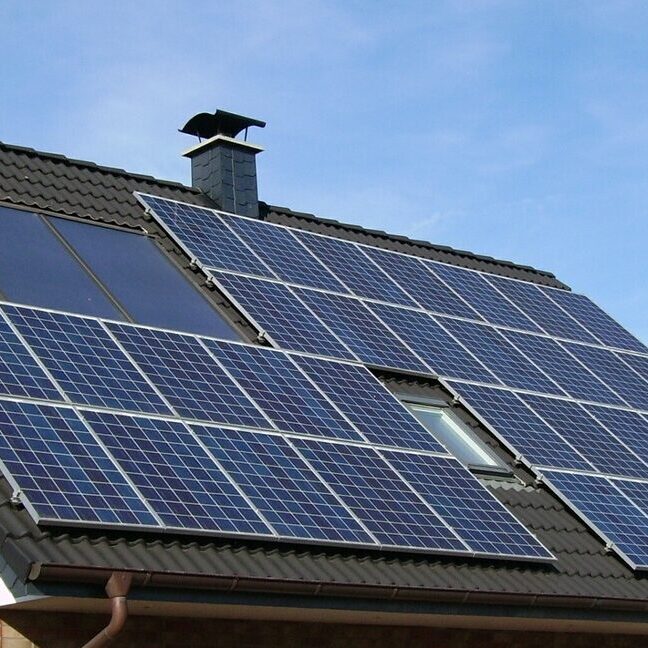
- Energy generation and storage – Solar is officially the cheapest way to generate energy. By using just the sun’s light, solar panel systems generate clean, renewable energy and reduce reliance on the still fossil-fuel dependent national grid. Solar PV systems can be paired with battery storage to increase efficiency and reduce energy bills even further. Learn more about solar panel costs and find solar panel installers.
- Windows and doors – Upgrading windows and doors to double or triple glazing enhances thermal performance and reduces heat loss. It will also improve airtightness to minimise energy waste. As the climate becomes hotter, window shutters may become a thing in the UK to retain heat during the winter and reflect heat during the summer.
- Energy efficient appliances – Enhancing overall energy efficiency involves upgrading to energy-efficient appliances (like washing machines, fridge freezers etc) and LED lighting. Each device and appliance will reduce energy consumption. When multiplied up across a whole house, these savings compound significantly.
The combination of electric-based smart tech, including solar panels, battery storage and heat pumps is the main focus behind the idea of ‘cleantech homes‘, which don’t have a gas connection.
You also have additional measures, such as mechanical ventilation with heat recovery to improve air quality and efficiency whilst reducing moisture, addressing thermal bridges and properly sealing the entire building envelope to maximise energy efficiency.
Thinking a little more holistically about our homes and the environment, where does biodiversity and nature fit into this?
Yes we can create an energy efficiency box for living in, but it’d be amazing if we could incorporate nature-filled gardens, green walls and living roofs to support nature too. It’d be great to add some sustainable living decisions into the home too, but this comes down to the individual.
Do you have to retrofit everything?
Whilst a whole house deep retrofit approach is ideal for maximising energy efficiency and carbon reduction, it’s not always feasible for every homeowner.
For example, the Zetland Passive House project showcases the UK’s greenest retrofit with zero bills and a 7-fold reduction in carbon dioxide emissions. However, such comprehensive retrofits can be costly and disruptive.
For most homes, a staged approach to retrofitting can be more practical and budget-friendly. You can make single retrofit improvements over time, gradually improving your home’s energy performance. This approach allows you to spread the costs and the mess of upgrading works whilst still making progress towards a more sustainable home.
When planning your retrofit journey, consider starting with the most impactful and cost-effective measures. For example, improving the fabric of the home with better insulation and upgrading to double-glazed windows can significantly reduce heat loss. This is known as a ‘fabric first’ approach.
You might then move on to installing a more efficient heating system or adding renewable energy technologies like solar panels as you know the fabric of the home is well sealed and working effectively.
How much will this all cost?
According to the Climate Change Committee, the total cost of heat decarbonisation in each home will be around £10,000 or under on average. This cost takes into account the combination of installing a new low carbon heating system the costs of energy efficiency retrofit upgrades. However, two things here. This figure is the average and is from 2020.
Real-life costs will vary based on property size and condition, plus how deep the retrofit is. You’re also contending with increased costs.
For a deep retrofit of a pre-1920s home, James Lemanis of ep projects suggests it’ll cost at least £1,000 per square metre. To give you an idea here, the average 3 bedroom home is around 90-150 square metres. That’s a lot of money.
Estimated costs for common retrofit measures:
- Loft insulation: £500-£900
- Cavity wall insulation: £500-£1,500
- Double glazing: £4,000-£7,000 for a typical 3-bed house
- Air source heat pump: £8,000-£14,000 (not including the current £7,500 Boiler Upgrade Scheme grant) – read more on how much do air source heat pumps cost.
- Solar panels: £6,000-£9,000 for a 3-4kW system – find more on costs of solar PV.
Challenges of retrofitting
While retrofitting offers significant benefits, it also presents numerous challenges. The major hurdle as discussed is costs. If homeowners can work this out and get an eventual return on their investment, which is more than possible, then brilliant.
But to retrofit millions of homes to meet net-zero targets, the government is going to have to offer significant financial support. We’ll also have to see more private green financing and investment products.
It’s worth noting that the process of retrofitting your home can be disruptive. This is one of the major issues as most homes will have people living in them while any works are being done.
You then have the embodied carbon question. Although zero emissions at source, how has all of the new technologies been produced? How long will they last? Can they all be recycled and reused afterwards?
It’s clear that there are sustainable advantages to the new smart and energy efficient tech used in homes, but the embodied carbon side needs to be clearer.
Practical next steps for retrofitting
Are you up to speed on the energy performance of your home? Do you know how efficiently all of your systems are working?
If the answer is ‘no’ to any of these, don’t worry. Most people don’t really know the answers. But you can change this.
A good first step is to get an Energy Performance Certificate (EPC) assessment. This will give you a basic idea, but for a more thorough understanding you’ll want to get a retrofit-specific energy assessment. This will identify areas of heat loss and inefficiency, as well as evaluate the building’s structure, insulation, windows, heating systems and overall energy performance.
Once you have this audit, it’s a case of weighing everything up and prioritising actions, impact and available budget.
Is it all worth it?
The answer is it certainly can be worth it. Retrofitting will save households money in the long-run but these costs need to be factored against the payback period.
At the upper end of the scale, smart and efficient homes have the potential to make money through sending excess energy back to the grid. Also on the nearby horizon are virtual power plants, where homes plug together to access better rates in terms of sending energy into the national system.
If large-scale retrofitting is going to work and be adopted across the country, it’s going to need a significant push from the government in terms of awareness and support.
Related reads on green homes
Beautiful, Full of Character and Now Verified Low Carbon – Why Reclaimed Bricks Are A Winner

All About Northstone: The NW Housebuilder Of The ‘New, New Build’
Richmond’s Elizabeth Twining Almshouses Proving Passivhaus Works For Accessible Housing

Coppers Meadow: One Of The Most Eco-Friendly New Build Developments In The UK Now Ready
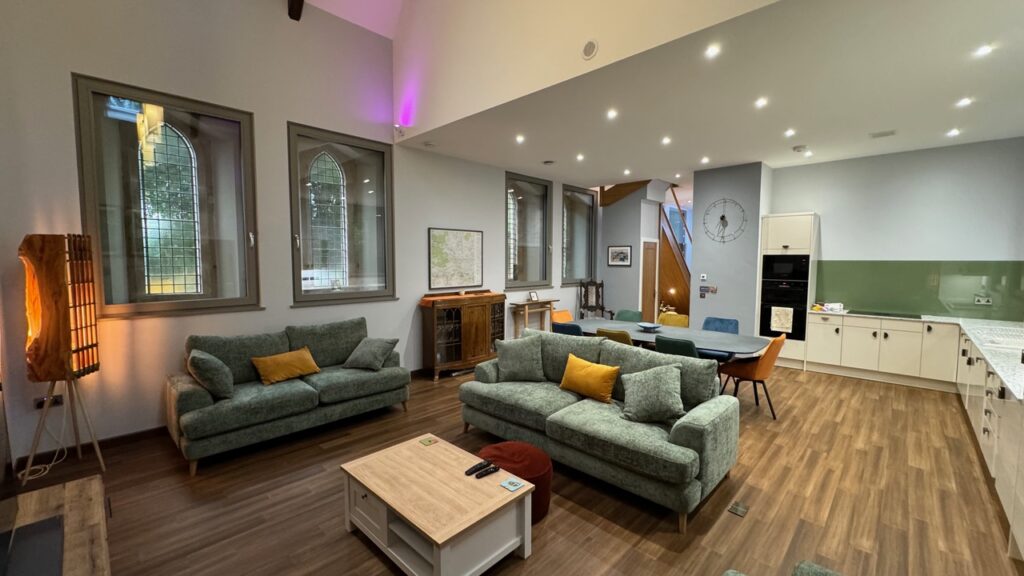
From Victorian Church To World-First Passivhaus Conversion – A Look At Warksburn Old Church